
Blog
Matching IBC architectures to AI data center load profiles
Prefabricated modular data center solutions are factory-built, pre‑engineered power, cooling, and IT turnkey units enabling scalable, predictable, and efficient capacity expansion.
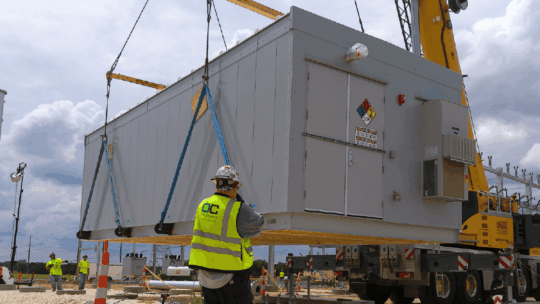
The rapid rise of AI is driving data center demand far beyond what traditional construction timelines can support. Prefabricated modular power, cooling and IT systems change how data center capacity is delivered by moving complex electrical, mechanical, and cabling work into the factory. Instead of assembling systems piece by piece on site, power, cooling, IT infrastructure, and controls are can be integrated into complete modules that arrive tested and ready to install.
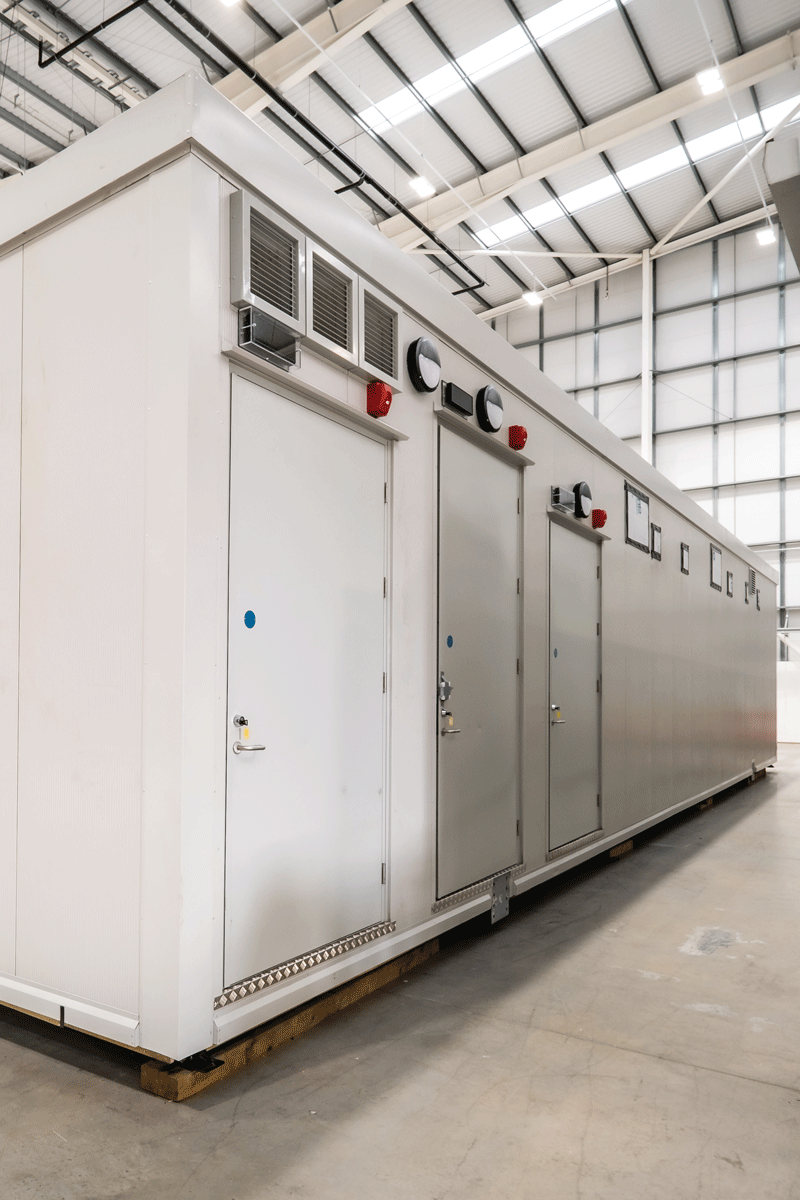
This factory‑first approach reduces onsite work, simplifies installation, and allows site work and module production to move forward at the same time.
This eBook outlines how prefabricated, factory‑integrated modular power, cooling, and IT systems accelerate time to compute, reduce onsite complexity, and deliver more predictable performance outcomes through standardized, repeatable processes. It also highlights how prefabricated modular approaches strengthen supply chain resilience, improve worker safety, and enable scalable, phased growth. Finally, it introduces the five‑stage modular lifecycle: pre‑design, design, build, test, and deploy. This provides a consistent, efficient framework for deploying capacity at the speed required in the AI era.
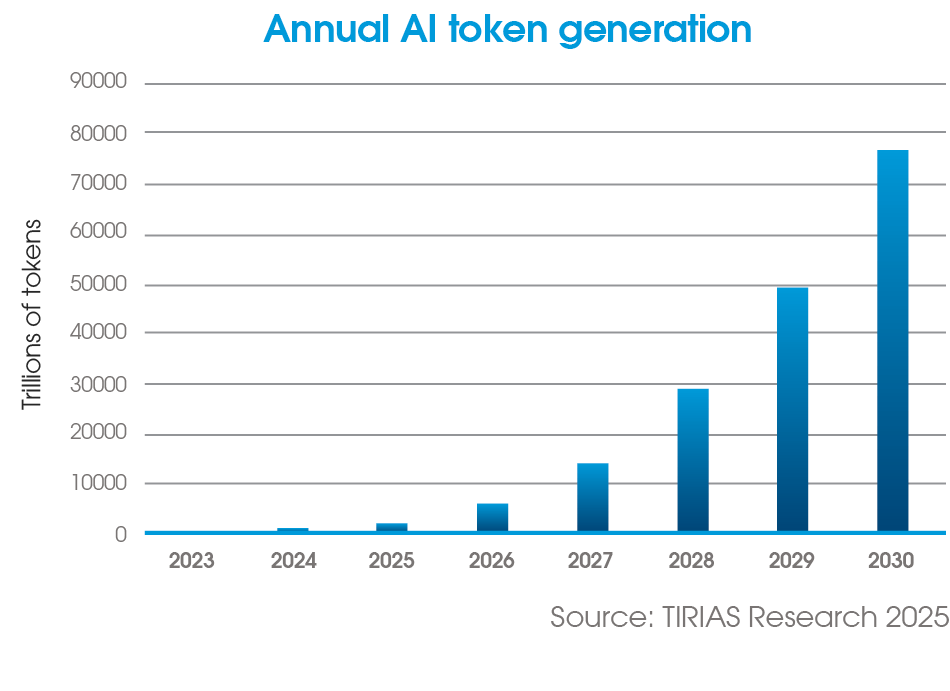
The rise of AI is driving exponential data center demand, with AI token* generation projected to reach 80 quadrillion (1,000 trillion) in 2030. At the same time, power availability, land constraints, and labor capacity are tightening across major markets, making delivery efficiency a critical factor in meeting AI‑driven timelines.
In this environment, the limiting factor is no longer demand, but the ability to deploy reliable, production-ready capacity at the pace required.
*An AI token represents a discrete unit of text, image, or audio input that an AI model consumes and produces during training, inference, or reasoning.
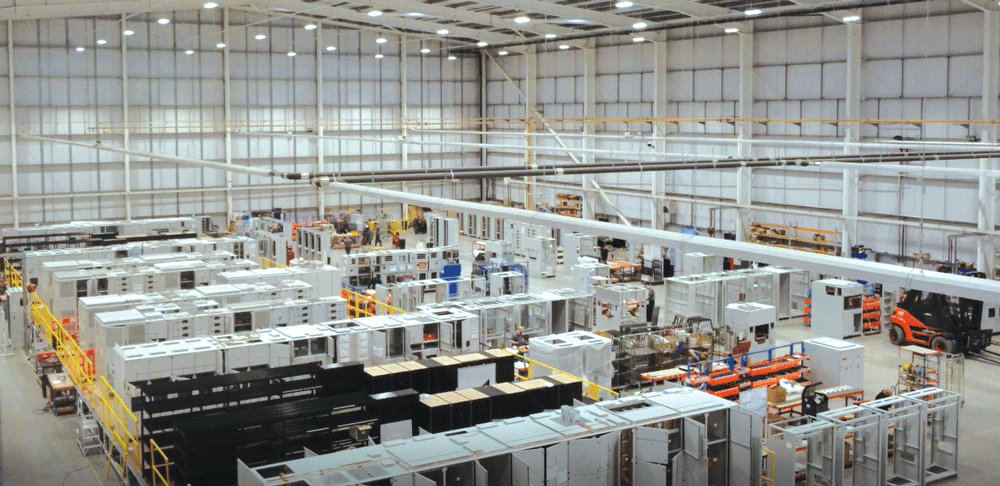
Prefabricated modular solutions move integration into the manufacturing facility, enabling repeatable, integrated equipment systems and controls to land faster with fewer onsite variables.

Traditional build: Typical end-to-end delivery of approximately 24 to 36 months due to sequential civil, MEP, fit out, and site-based integration. Grid connection delays can extend timelines further.
Modular build: Through factory integration, standardization, and parallel construction workflows, PMDC solutions can compress project schedules by 30 percent or more while significantly reducing onsite labor constraints for low- and medium-voltage power distribution.
Traditional build: High onsite trade stacking (electrical,
mechanical, and controls) requirements with extensive cable terminations and system integration performed in live construction environments introduce risk of injury, delays, and rework.
Modular build: PMDC solutions are prewired and pretested in the factory, cutting onsite testing and cabling by up to 70 percent and reducing changes in the field. Installation focuses on placement and tie-ins rather than assembly.
Traditional build: Relies heavily on site-specific designs and locally sourced execution, often resulting in “snowflake“ projects with unique configurations. This variability complicates procurement and delays delivery of equipment with long lead times, making schedules and outcomes harder to predict.
Modular build: Repeatable designs and predefined parameters enable earlier procurement of critical electrical and mechanical components, improve supplier alignment, and support more predictable delivery. Modular approaches drive consistent outcomes by limiting site‑specific variability across deployments.

Traditional build: With many tradespeople on the jobsite, there is greater exposure during live energizations and fit out. Arc flash mitigation and selectivity are often not proven until late in the schedule.
Modular build: Safety improves as complex integration moves to the factory. Modular solutions arrive with validated protection and interlocks. Electrical design follows applicable standards and manufacturer guidance on selectivity and arc flash reduction. Integrated systems testing (IST) under simulated failures is completed before occupancy.
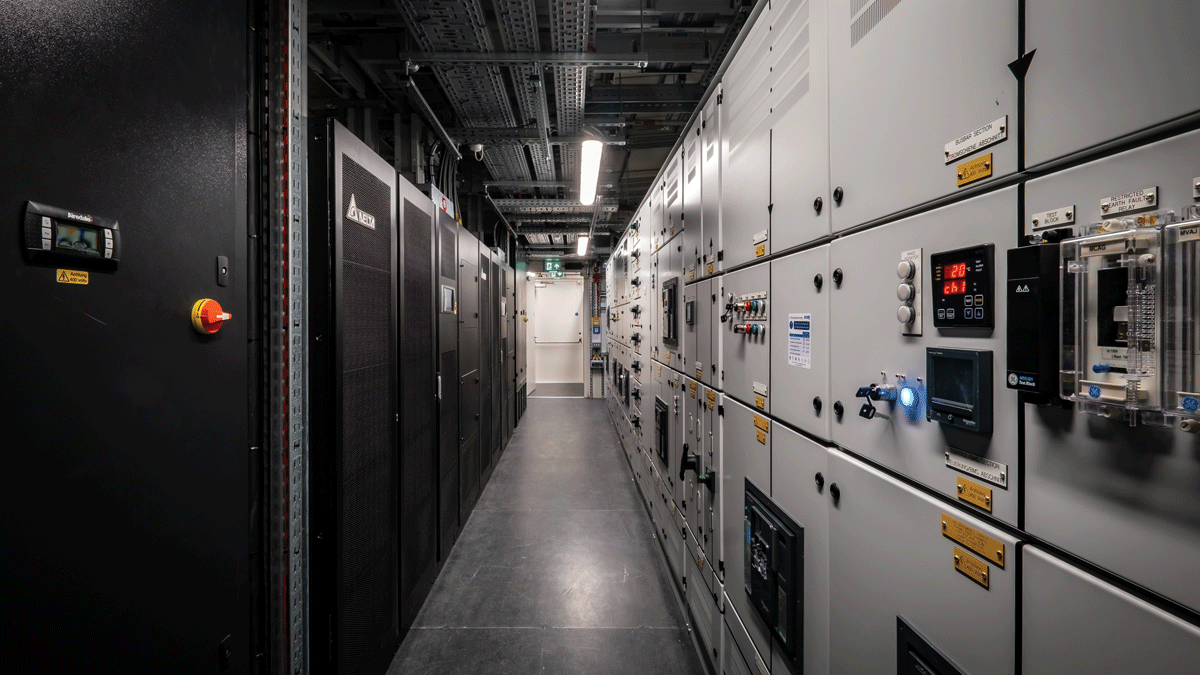
Prefabricated modular power solutions consolidate critical electrical infrastructure into a single, pre-engineered unit where protection settings, interlocks, and monitoring are validated before shipment. Prefabricated IT solutions similarly arrive with racks, containment, and cabling layouts preconfigured, so white space buildout is faster and more consistent.
Prefabricated cooling systems follow the same model, combining air or liquid cooling equipment into integrated units with operating sequences and safety controls already proven in controlled conditions. Because most integration happens off site, onsite commissioning focuses on system tie‑ins and failure simulation rather than late assembly, resulting in shorter schedules and more stable outcomes.
Among modular elements, medium voltage (MV) substation E‑houses and low voltage (LV) power pods and skids deliver the greatest gains in schedule compression and risk reduction.
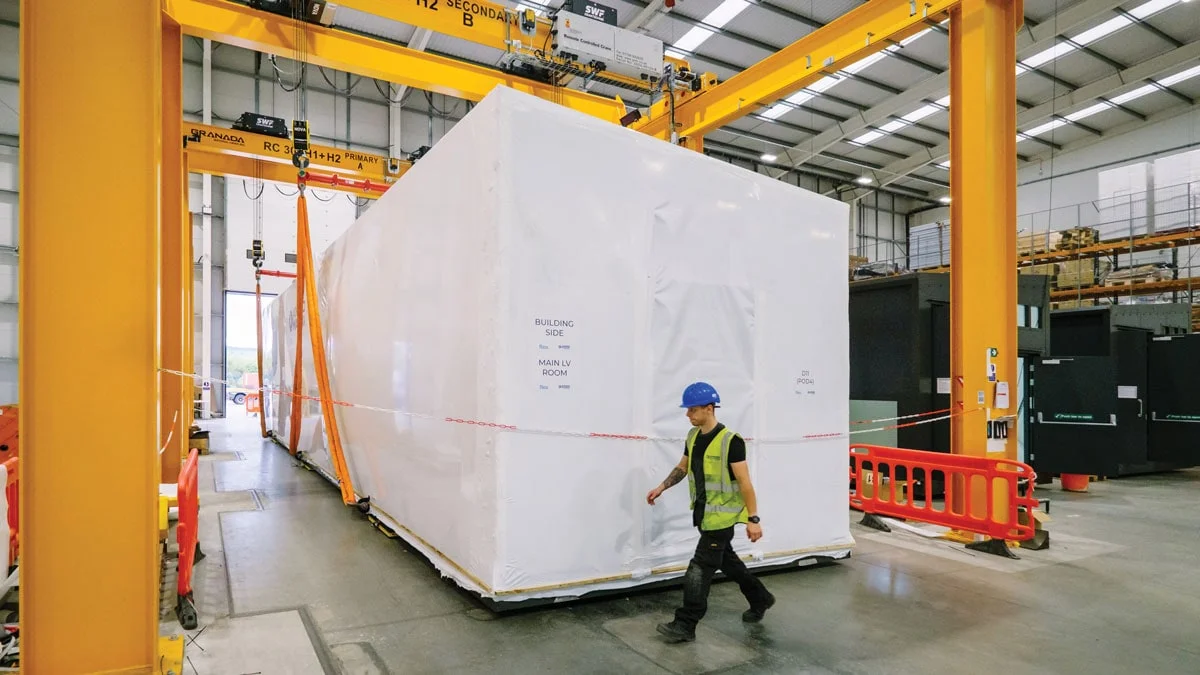
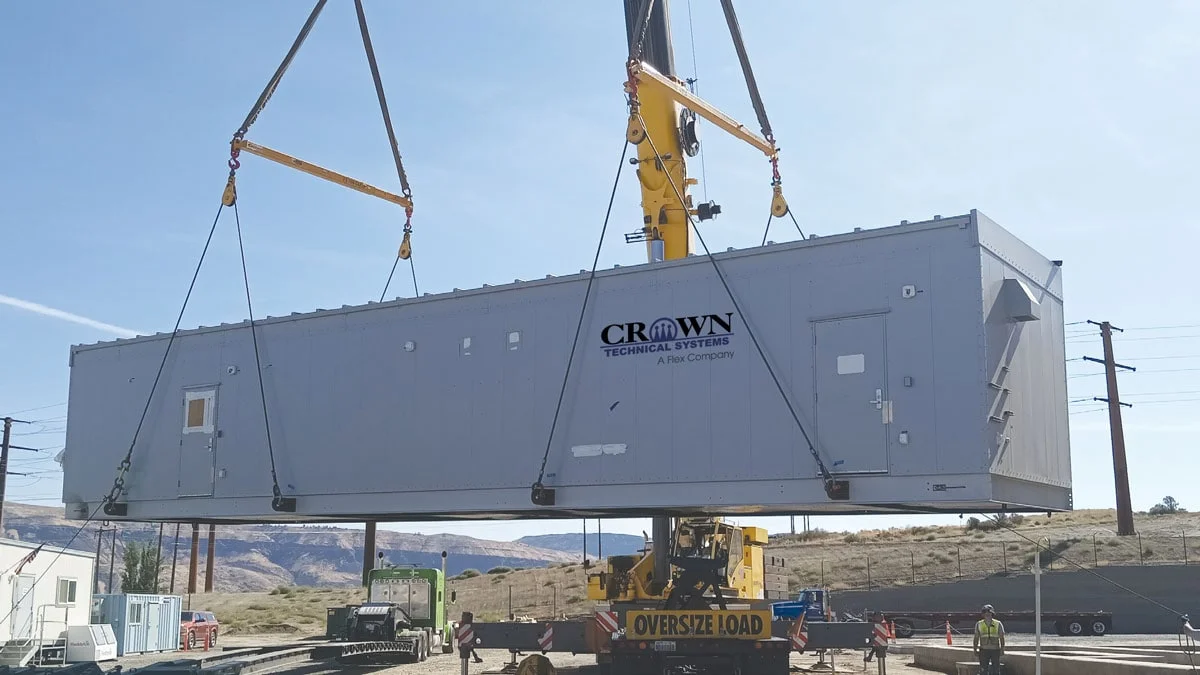
By pre‑engineering and prewiring MV and LV assemblies in the factory, a substantial portion of onsite electrical work, often a primary source of delays, is eliminated. Equipment integration, factory testing and validation, commissioning, and documentation are completed before delivery, shifting onsite activity from labor‑intensive assembly and troubleshooting to placement, final connections, and energization.
Across large‑scale deployments, standardized MV substations, LV electrical rooms, and downstream busway architectures consistently reduce onsite testing and cabling effort and enable repeatable outcomes across phases. The result is a predictable, scalable electrical deployment model that supports aggressive capacity expansion with lower execution risk.
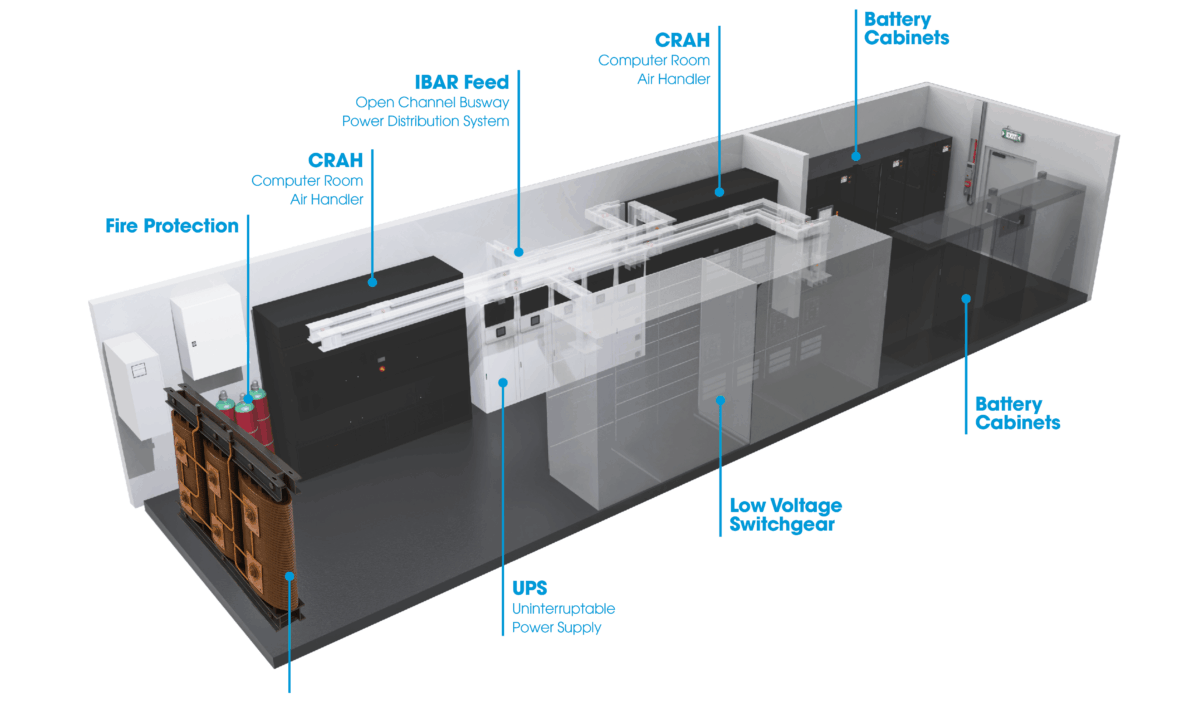
Diagram for illustrative purposes only
Modular IT solutions bring repeatability to the data center white space while supporting the higher thermal demands of AI workloads. Racks, containment, cabling, and rack‑level cooling interfaces are laid out using consistent zoning and separation principles, with preterminated harnesses and clearly defined pathways. This reduces onsite rework and helps to ensure that power, network, and cooling connections behave consistently across deployments.
To enable higher rack densities, modular IT solutions support hybrid cooling architectures, combining air cooling with liquid‑assisted technologies such as direct‑to‑chip cooling. Core cooling parameters are validated upstream, while allowing controlled, site‑specific tuning as needed. When aligned with power and cooling design intent, IST confirms thermal performance and maintainability early, enabling predictable commissioning and lower‑risk upgrades as density requirements evolve.
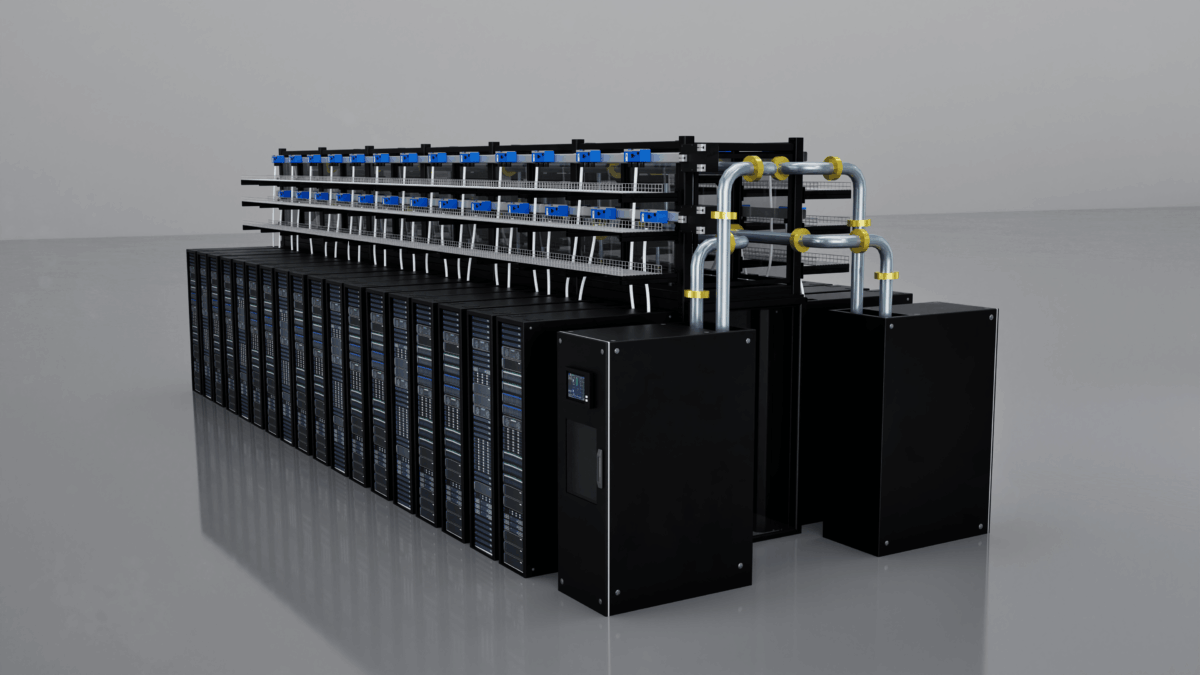
Cooling performance in modular deployments is achieved through a hybrid approach that balances factory‑set parameters with controlled, site‑specific optimization. Core operating limits such as fan curves, pump speeds, and safety thresholds tied to equipment ratings are configured and validated in the factory. This ensures that each module arrives with stable baseline behavior and consistent control logic, reducing the amount of troubleshooting traditionally required during commissioning.
Liquid cooling shifts thermal management from a site-engineered constraint to a modular, scalable capability aligned with AI workloads.
At the same time, cooling systems must adapt to local climate conditions and operational needs. The design enables automated or manual fine‑tuning on site to account for variables such as humidity profiles, seasonal temperature swings, or altitude.
For example, in direct evaporative systems, the proportion of dry versus wet operating modes may be adjusted based on local ambient conditions to optimize energy use and maintain thermal stability.
This controlled flexibility mirrors practices already proven in other “smart connected” HVAC and cooling‑tower applications, where real‑time optimization improves efficiency and maintains availability.
In a modular approach, all systems are integrated and tested in the factory while site preparation and utility work advance in parallel. By validating protection logic, transfer behavior, safety interlocks, and telemetry before shipment, activity at the site shifts from late‑stage assembly to placement, connection, and controlled system testing. This removes traditional sequencing bottlenecks and shortens the time between the start of construction and powering on the IT load.
Standardization
Standardized designs and material specifications reduce supply chain complexity and shorten deployment timelines. Preterminated cabling and predefined routing and containment paths simplify customer tie‑ins and final connections.
Frozen design
Leveraging reference designs and preplanned engineering packages enables earlier procurement, reduces engineering effort, and accelerates capacity delivery. In many programs, design freeze timelines decrease from roughly 12 weeks to 6–8 weeks.

Parallel construction paths
Factory integration and onsite preparation proceed simultaneously. Foundations, grounding, utilities, and pathways advance at the job site while modular solutions are built and tested off site, allowing immediate placement and connection upon arrival, thus reducing onsite labor and the duration of the build.
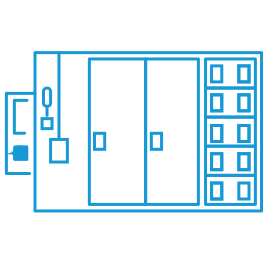
Module testing and commissioning
Disciplined IST validates system behavior through scenarios such as A‑side outages, UPS/STS transfers, pump failovers, and environmental transitions while confirming alarm propagation into DCIM/BMS.
In a modular integrated system, predictability is created by fixing design intent early and reinforcing it through repeatable validation. Standardization replaces site‑specific variability with consistent behavior across deployments, enabling systems to perform the same way regardless of location or scale.

Predictability is not a byproduct of modularity.
It is a design choice.
Core layouts, redundancy paths, operating limits, and maintainability assumptions are finalized before procurement. This establishes a stable baseline for commissioning and predictable maintenance planning over the system lifecycle.
Electrical, thermal, and control systems are integrated and verified in controlled factory environments. Validated configurations reduce onsite uncertainty and produce consistent system data that supports condition‑based monitoring.
Testing against predefined scenarios confirms expected behavior under normal and failure conditions. These results establish a verified performance baseline that enables predictive analytics once the system is operational.
Standardized telemetry, alarms, and documentation ensure that live operating data remains aligned with design intent. This continuity enables digital twin models that mirror as‑designed and as‑operated conditions, supporting proactive maintenance and long‑term performance optimization.
We ensure quality through standardized building blocks and predictable performance targets, executed via factory assembly, end of line testing, factory acceptance testing and documented validation. Given the custom nature of PMDC solutions, full DfMEAs are reserved for repeatable, productized configurations. For project specific designs, we apply DfM/DfA practices, gated design reviews, and verification testing to manage risk and drive consistency across iterations.
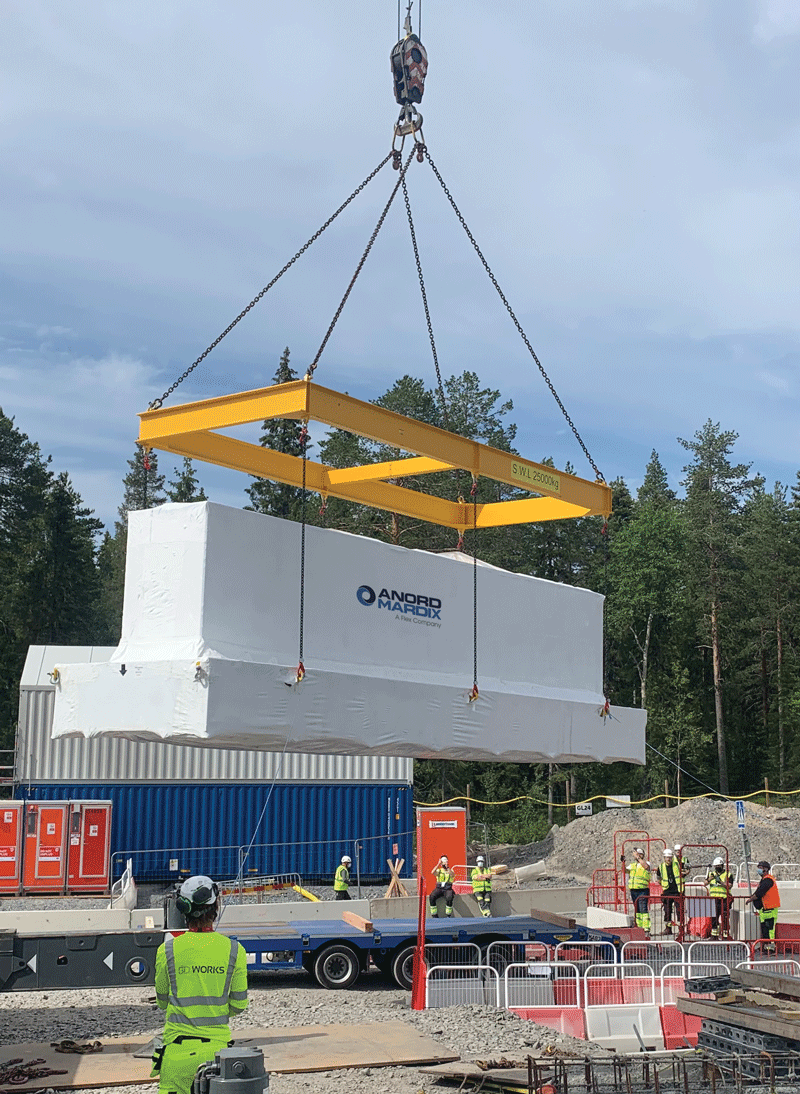
Extended lead times for critical components such as MV and LV transformers, switchgear, uninterrupted power supply (UPS) systems, generators, and high‑capacity cooling equipment can add months to a data center build if not addressed early. In many markets, these constraints now rival access to the grid as a primary threat to construction timelines.
Prefabricated modular solutions mitigate this risk by consolidating complex bills of materials into standardized, repeatable units, enabling procurement teams to lock in availability earlier in the design phase. This approach allows manufacturers to reserve factory capacity, align supplier commitments, and stabilize procurement timelines despite market volatility. Logistics considerations such as heavy transport routing, permitting, and clearance constraints are incorporated during design, ensuring oversized modules can be delivered without late redesign.
As the ecosystem of modular solutions continues to expand, and as standardized power and cooling modules become more readily available, data center operators benefit from improved sourcing flexibility, more predictable lead times, better cost control, and greater confidence in delivery schedules.
Since prefabricated modules arrive on site fully assembled and tested, it reduces the number of tradespeople operating in confined spaces. This approach lowers the risk of accidents and eliminates many of the hazards associated with traditional field assembly.
Maintainability further supports safe operations by ensuring that critical systems can be serviced without impacting the load.
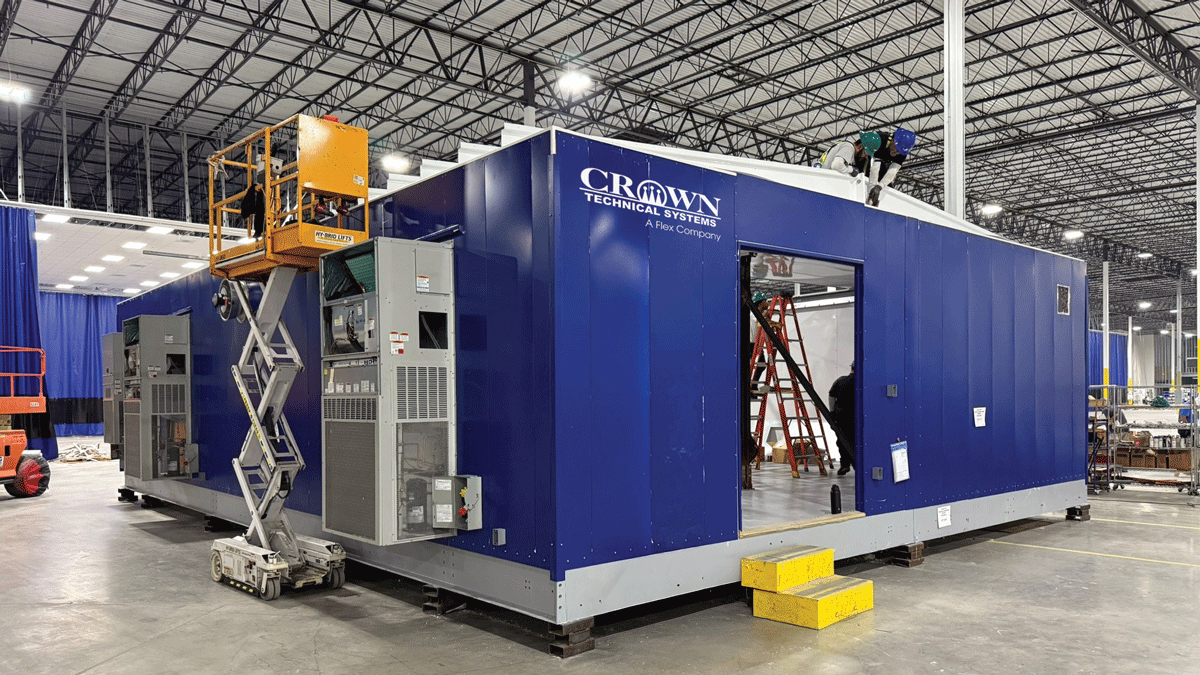
IST is conducted under simulated failure conditions before occupancy, validating protection schemes and environmental controls. Thermal safety is also addressed, which prevents condensation and thermal shock during transitions, reducing the likelihood of emergency interventions.
Modular strategies deliver safer energization and more controlled handover to operations teams.
In pre‑design, teams establish the reference electrical and mechanical topology, define A/B distribution and isolation points for maintainability, and address early feasibility items such as routing, transport clearances, and craning envelopes so module dimensions never force redesign.
During design, engineering teams finalize bills of materials, wiring schedules, busway tap plans, and protection and coordination settings. They also author the FAT and IST procedures that will later verify interlocks, transfer behavior, cooling sequences, and telemetry mappings.
In the build stage, manufacturers integrate power, cooling, IT, and controls within the factory and complete Level 3 FAT, producing a full documentation pack that travels with each module.
During the test phase, the onsite team conducts IST, simulating power, cooling, and controls failures to validate systemwide behavior and confirm that the installation performs as intended.
Finally, during the deploy stage, the project transitions to safe tie‑ins, energization, and operational handover, followed by a phased “pay‑as‑you‑grow” IT load ramp that aligns capacity with available power and stabilizes the site for long‑term operations.
Choosing a modular approach compresses delivery timelines, reduces onsite variability, and creates a more predictable commissioning path. The structured lifecycle of pre-design, design, build, test, and deploy helps ensure that each module is engineered, validated, and integrated in a controlled, repeatable manner, resulting in a resilient and scalable system.
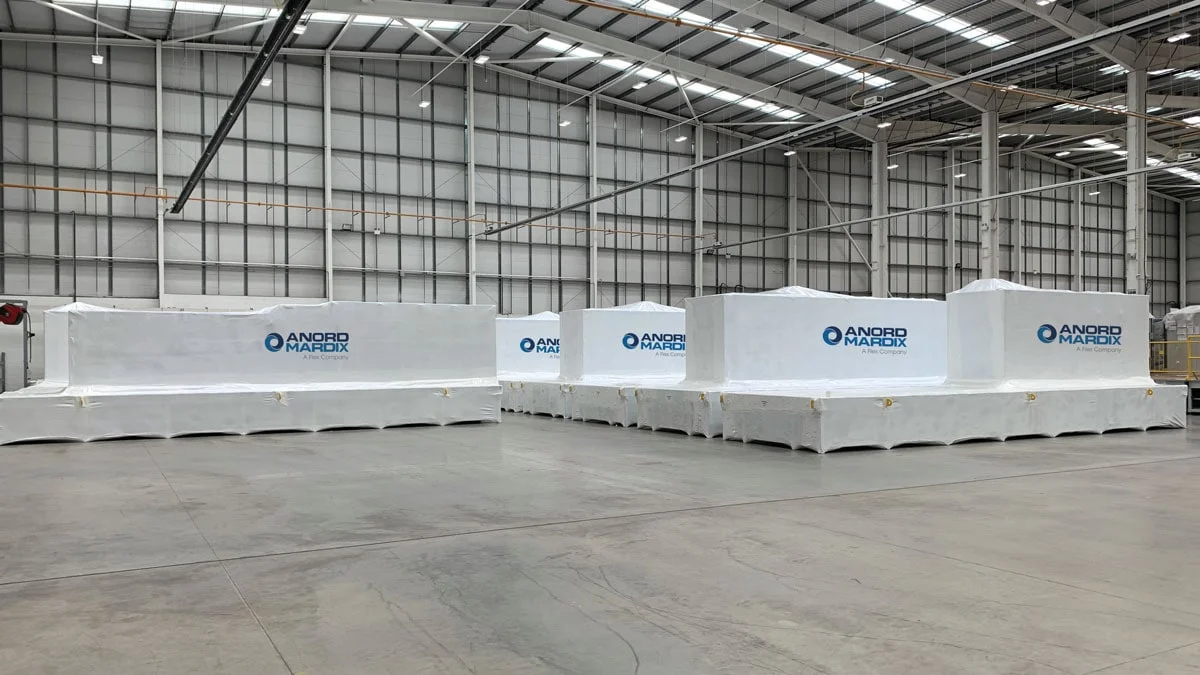
With decades of engineering expertise, advanced manufacturing methods, and an unmatched global footprint, Flex helps ensure uniform execution and performance across deployments. Standardized processes applied across more than 100 sites and 30 countries give data center operators the confidence they need to scale in the AI era.