Lösungsübersicht
800-VDC-Stromversorgungsschrank
KI-Workloads haben tiefgreifende Auswirkungen auf die Infrastruktur von Rechenzentren, bringen herkömmliche Stromversorgungs- und Kühlsysteme an ihre Grenzen und verändern die Einrichtungen selbst grundlegend. Um schnellere Rechenleistung und Racks der Megawatt-Klasse zu integrieren, sind mehr als nur inkrementelle Verbesserungen erforderlich. Die Markteinführung der nächsten Infrastrukturgeneration erfordert eine enge Zusammenarbeit zwischen Rechenzentrumsbetreibern, Zulieferern und Herstellern. NVIDIA und ein wachsendes Ökosystem von Technologie- und Infrastrukturanbietern treiben den Wandel hin zu einer offene 800-VDC-Architektur für KI-Fabriken der nächsten Generation, die eine effizientere und kostengünstigere Stromverteilung vom Netz zur GPU ermöglichen werden.
Die Argumentation für 800 VDC basiert auf einfachen elektrischen Prinzipien. Durch die Erhöhung der Netzspannung kann dieselbe Leistung mit deutlich geringerem Strom als bei herkömmlichen 48-54 VDC-Systemen bereitgestellt werden. Die Umwandlung des netzseitigen Drehstroms in 800 VDC für die Verteilung an die Racks ermöglicht dann die DC/DC-Abwärtswandlung näher an Servern, Prozessoren und Speichermodulen. Dies vereinfacht den Strompfad durch Optimierung der Wandlungsstufen zwischen Netz und Rechenzentrum. Das Ergebnis sind geringere Widerstandsverluste, weniger Kupfer, kleinere Leiterquerschnitte und weniger Bauteile, wodurch letztendlich mehr Leistung das Rechenzentrum erreicht.
Wie NVIDIA in seinem neuesten Bericht feststellt 800 VDC Roadmap-Blog, Jede Generation beschleunigter Rechenleistung stellt höhere Anforderungen an die unterstützende Infrastruktur. Dieser Wandel erfordert koordinierte Innovationen in den Bereichen Stromwandlung, Schutz, Verteilung, Energiespeicherung, Rechenleistung und Kühlung. NVIDIA hat mit DSX-Referenzdesigns einen praktischen Weg für die Einführung dieser Technologie aufgezeigt. Diese unterstützen den Übergang von Wechselstrominfrastruktur über Hybridarchitekturen bis hin zu nativen 800-VDC-Anlagen. Betreiber erhalten dadurch mehrere Zugänge zu Rechenleistung mit höherer Dichte, während gleichzeitig bestehende Investitionen in Grundstücke, Stromrechte und die Infrastruktur der Anlagen geschützt werden. NVIDIA arbeitet mit Partnern im Ökosystem zusammen, um gemeinsame Schnittstellen zu etablieren und eine Lieferkette auf Basis offener 800-VDC-Spezifikationen aufzubauen.
Wir bringen unsere Expertise in verschiedenen Bereichen dieses Ökosystems ein, von kritischer und eingebetteter Stromversorgung über Flüssigkeitskühlung und Rack-Integration bis hin zur fortschrittlichen Fertigung.
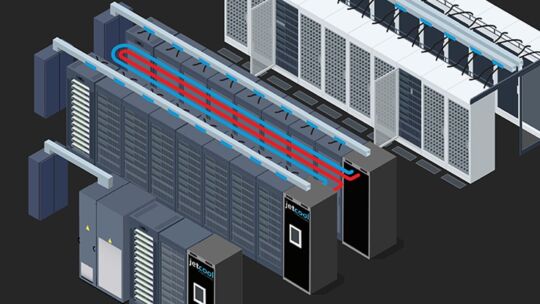
Unser neues 800-VDC-Stromversorgungsschrank, Die in Zusammenarbeit mit NVIDIA zur Unterstützung der NVIDIA Vera Rubin Plattform entwickelte Lösung schlägt eine Brücke zwischen heutigen Rechenzentren und der KI-Infrastruktur der nächsten Generation. Ihre dezentrale Architektur verlagert die Stromversorgung aus dem IT-Rack und schafft so wertvollen Platz für Rechenleistung. Gleichzeitig ermöglicht sie bestehenden Rechenzentren die Unterstützung der höheren Leistungsdichten, die für beschleunigtes Rechnen erforderlich sind.
Wir haben entwickelt fortschrittliche Zwischenbuswandler (IBCs) und hocheffiziente DC/DC-Module Optimiert für 800-VDC-Architekturen. Diese Lösungen wandeln 800 VDC in die niedrigeren Spannungen um, die von GPUs, CPUs und Speicherbausteinen benötigt werden, und berücksichtigen dabei die beengten Platz- und Wärmeanforderungen von KI-Fabriken der nächsten Generation. Unser Stromversorgungsportfolio umfasst außerdem fortschrittliche Stromversorgungsmodule für die Plattformen NVIDIA GB300, NVIDIA GB200, Vera Rubin und Vera Rubin Ultra. Diese wurden in Zusammenarbeit mit dem Chiphersteller entwickelt, um die hohen Effizienz- und Leistungsanforderungen des beschleunigten Rechnens zu erfüllen.
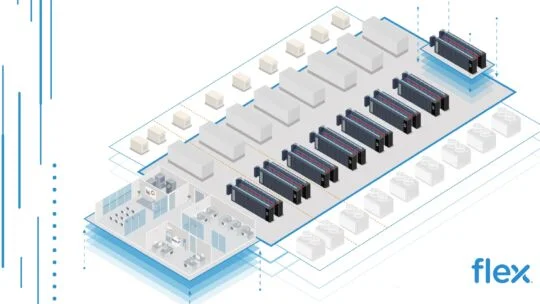
Wir verfolgen auch einen umfassenderen Ansatz, Systemischer Ansatz für die KI-Infrastruktur Das Portfolio umfasst hochdichte Stromverteilungssysteme, flüssigkeitsgekühlte Racks im Megawattbereich, Energiespeicher und vorgefertigte Modullösungen. Durch die Kombination dieser Kompetenzen lassen sich Stromversorgungs-, Rechen- und Kühlsysteme als Ganzes optimieren, was die Integration vereinfacht, die Leistung verbessert und die weltweite Implementierung beschleunigt.
NVIDIAs Roadmap für 800 VDC zeigt, wie der Übergang innerhalb der heutigen Infrastruktur beginnen und sich parallel zu zukünftigen KI-Fabriken weiterentwickeln kann. Sie bietet mehrere Einstiegsmöglichkeiten für verschiedene Phasen der Rechenzentrumsentwicklung:
Realizing that roadmap requires complementing technology innovation with system-level integration, manufacturing and supply chain expertise, and close collaboration across the ecosystem to move solutions rapidly from design and validation to production. We work alongside NVIDIA and hyperscalers to help bridge the gap, engineering and integrating IT-Infrastruktur, Strom- und Kühllösungen für den großflächigen Einsatz. Zusammen können diese Fähigkeiten dazu beitragen, die 800-VDC-Roadmap der Branche in die Infrastruktur für die nächste Generation des beschleunigten Rechnens zu verwandeln.
Erfahren Sie mehr über die Zukunft von 800 VDC direkt von NVIDIA in deren Warum die Skalierung der KI-Rechenleistung eine neue Energiearchitektur erfordert Blog und 800-VDC-Architektur: Branchenausrichtung & Umsetzung Weißbuch.