
Papel blanco
Alimentación de 800 V CC para centros de datos: Acelerar la adopción con lecciones aprendidas de los fabricantes de vehículos eléctricos.
Parece una colaboración. Incluso hace seis meses, tendríamos reuniones separadas con nuestros clientes.’ fuerza, ÉL, y infraestructura de refrigeración Equipos, ninguno de los cuales trabajaba en conjunto ni hablaba con quienes diseñaban los chips. Para ser justos, en Flex fue prácticamente igual: diseñadores e ingenieros trabajaban en sus propias piezas del rompecabezas, y el departamento de compras seguía el mismo ejemplo. Organizacionalmente, la mayoría de nosotros hemos sido configurados de esa manera. Pero a medida que la densidad de chips y racks ha aumentado y los desafíos se han intensificado, la gente se está acostumbrando a un enfoque más interconectado. Estamos observando convergencia organizacional y en la forma en que se diseñan los sistemas: de forma integral, no fragmentada, para abordar los grandes desafíos de energía, calor y escala. El diseño conjunto deliberado está creando soluciones integrales para centros de datos, donde una innovación alimenta a la siguiente en toda la arquitectura.
Estamos viendo una convergencia a nivel organizacional y en la forma en que se diseñan los sistemas: de manera integral, no fragmentada, para abordar los grandes desafíos de energía, calor y escala.
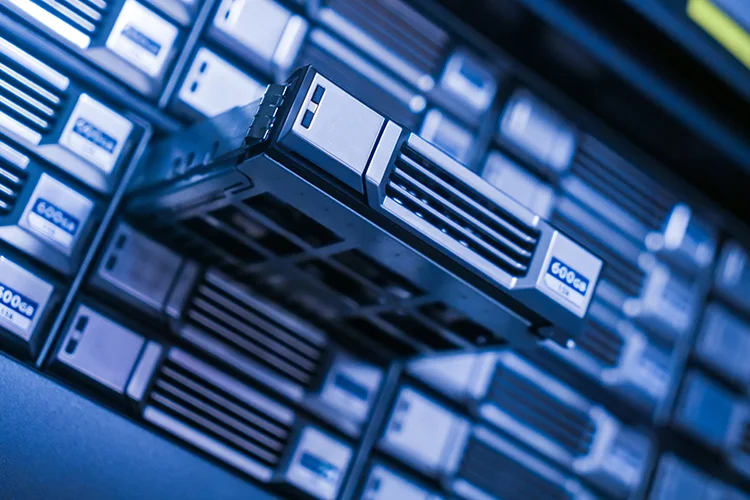
En el chip. Al observar la cantidad de chips implementados y su impacto en el consumo de energía del servidor, se puede extrapolar cómo debería ser la arquitectura energética. Por ejemplo, si solo el 20 % de los chips del centro de datos se cambian de CPU a GPU, se necesitará el triple de energía. Y al condensar 1 MW de energía en un solo rack, obviamente será necesario un cambio en... arquitectura de potencia para entregar energía en un formato que los clientes puedan usar para sus cargas de trabajo de IA y HPC.
Sí, para centros de datos Procesando cargas de trabajo de IA. La refrigeración líquida directa al chip es la forma más eficaz de disipar el calor de racks tan densos como los que estamos viendo. Adquirimos... Enfriador a chorro Específicamente por esa razón. La tecnología de refrigeración microconvectiva que sustenta sus placas frías, CDU modulares y productos de líquido a chip ha sido revolucionaria en cuanto a compatibilidad con aplicaciones de IA y HPC. Y nuestra colaboración con LG Nos permitirá ofrecer soluciones de infraestructura de centro de datos prefabricadas y escalables que incorporan tecnologías avanzadas de enfriamiento de aire y líquido para abordar los desafíos de gestión térmica de extremo a extremo.

La refrigeración líquida directa al chip es la forma más eficaz de eliminar el calor de racks tan densos como los que estamos viendo.
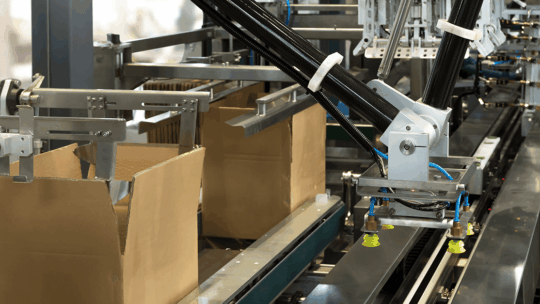
Podemos, y no lo digo a la ligera, porque nuestros competidores no pueden. Flex ha estado fabricando productos complejos y tecnológicamente sofisticados a escala para clientes de todo el mundo durante 50 años.Es nuestro superpoder. Cuando aplicamos ese alcance global y experiencia regional a nuestra cartera de soluciones de energía, refrigeración e infraestructura de TI, ofrecemos algo que ninguna otra empresa puede ofrecer. La escalabilidad con velocidad y precisión es nuestra prioridad, y seguimos ampliando nuestra área de fabricación. ubicaciones clave Para respaldar la expansión de estos centros de datos. Además, fabricamos nuestra propia cartera de CDU modulares, PDU, racks de potencia de 1 MW, módulos y skids de potencia que ayudan a nuestros clientes a escalar aún más rápido.
En absoluto. Nuestra cartera abarca todo el cadena eléctrica del centro de datos, Desde la utilidad hasta el rack y el chip. Diseñamos, fabricamos, integramos e implementamos todo a escala. Y no solo eso, co-innovamos nuevas soluciones con nuestros clientes a medida que las arquitecturas energéticas cambian para dar soporte. Requisitos de computación de la era de la IA. Esto incluye los sistemas de refrigeración que coinciden con ellos. Por ejemplo, estamos trabajando con ellos para reducir las pérdidas de transición a medida que las arquitecturas avanzan hacia sistemas de +/- 400 VCC y 800 VCC para lograr una mayor eficiencia y ahorro de costes. Esto incluye el diseño de soluciones que llevan la alimentación de media tensión directamente al rack y eliminan algunas transiciones de alimentación dentro del propio rack. Diseñar para la eficiencia desde el principio presenta numerosas oportunidades para nosotros y para la industria de los centros de datos en su conjunto.
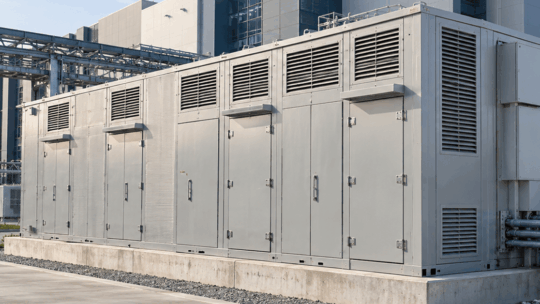
Nuestra cartera abarca toda la cadena de suministro de energía del centro de datos, desde la utilidad hasta el rack y el chip.
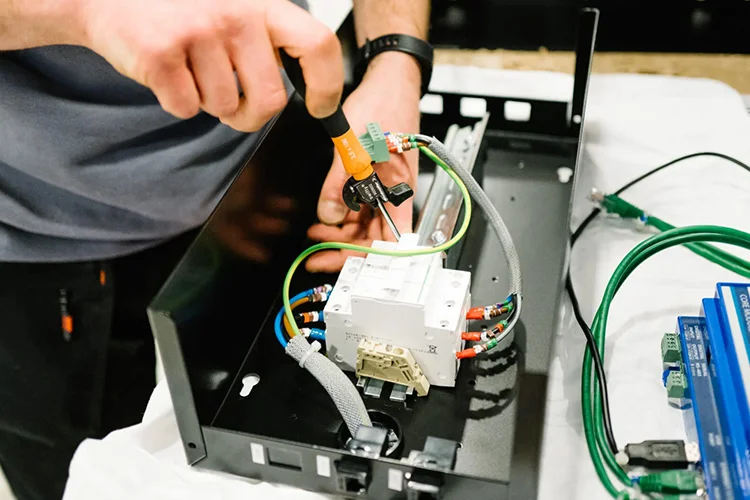
Seguimos desarrollando según las necesidades específicas de nuestros clientes y los requisitos regionales, pero como hemos visto a través de iniciativas como el Open Compute Project (OCP), la estandarización, la modularización y la replicación son la forma más rápida de escalar. Todos nuestros clientes me hablan de componentes básicos como las CDU., PDU, y módulos de energía: sistemas preconfigurados, precomisionados, preprobados y prevalidados que desbloquean la escala que necesitan.
Velocidad de implementación. Una vez seleccionado el sitio y asegurado el acceso a la energía, el plazo de construcción de un centro de datos a hiperescala es de aproximadamente 18 meses, y cualquier operador de centro de datos lo acortaría si pudiera. Por lo tanto, lo que sucede después de la fabricación es crucial, desde la entrega en el lugar y momento adecuados hasta la puesta en marcha, la inspección y la activación. Cuanto más podamos hacer en la fábrica, más rápido podrán trabajar en el sitio. ¿Y si pudiéramos reducirlo a entre 30 y 60 días? Quizás la clave no se encuentre solo en la tecnología. Es la capacidad de reducir el tiempo que tardan nuestros clientes de centros de datos en estar operativos.
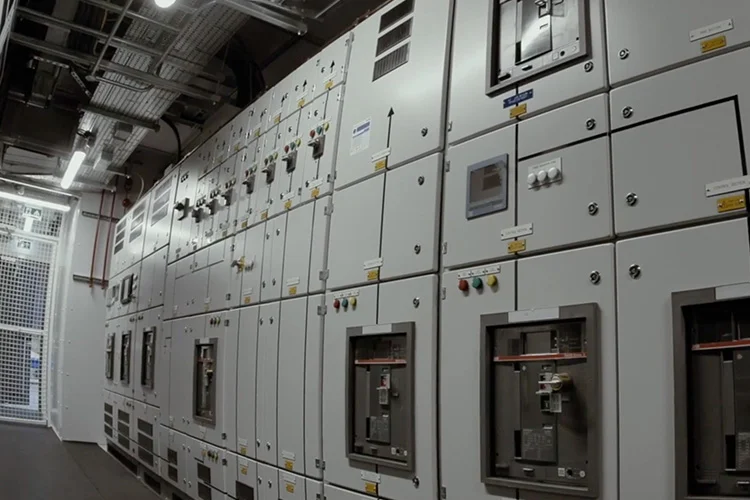
El equipo necesario para modernizar la red eléctrica y dirigir la energía hacia y a través de las instalaciones tiene una gran demanda. Los plazos de entrega se han extendido de meses a un año o más para transformadores de potencia de gran tamaño y alta tensión. tablero de distribución, generadores de respaldo de diésel y gas natural y sistemas de refrigeración especializados.
Ante una demanda sin precedentes, las empresas que fabrican los equipos se enfrentan a escasez de materiales, limitaciones de capacidad de fabricación y otras restricciones en la cadena de suministro, lo que está llevando este problema a un punto crítico.
Es una de las razones por las que Flex continúa expandiendo su capacidad de fabricación mediante la reutilización de espacios, el arrendamiento de instalaciones, la adquisición de empresas complementarias y el establecimiento de alianzas estratégicas. Desarrollar cadenas de suministro ágiles y resilientes también es un factor importante en esa ecuación.
Las limitaciones de la red eléctrica no desaparecerán pronto, y los operadores de centros de datos están explorando la generación de energía in situ, más allá de los generadores de respaldo, para garantizar el rendimiento, la fiabilidad y la escalabilidad. ¿Cómo afectarán los módulos nucleares in situ, las microrredes solares, eólicas y geotérmicas, las turbinas de gas natural y otras fuentes de energía a la infraestructura eléctrica del centro de datos y su interacción con la red eléctrica? ¿Eliminarán o agravarán la escasez de equipos?
En Flex, nos centramos principalmente en la gestión y transmisión de energía en lugar de cómo se genera, pero tenemos experiencia en energía de servicios públicos que va mucho más allá de una implementación de centro de datos estándar y estamos entusiasmados de poder aprovechar esa amplia base de conocimiento en estas discusiones de la industria.
Preparación de la fuerza laboral. Todos hemos oído hablar de la escasez de electricistas, fontaneros y otros profesionales necesarios para desarrollar la capacidad, pero pocos hablan de las personas necesarias para inspeccionar y poner en marcha proyectos o solucionar problemas de calidad y eficiencia energética, entre otras habilidades. Y tampoco hay mucha gente que comprenda las arquitecturas de energía de última generación de +/- 400 VCC y 800 VCC. Prepararse para el futuro no se trata solo de tecnología. Se trata de talento. Hay... carreras gratificantes En el sector energético. Necesitamos abrir camino a la gente. Creo que es un momento muy emocionante en una gran industria.
Profundice en nuestro enfoque de los desafíos de energía, calor y escala del centro de datos en este Dinámica del centro de datos podcast y artículo en Frontera del centro de datos.