联系我们

Flex 为全球汽车制造商试点基于 Catena-X 的数据交换

发表于
2026 年 4 月 6 日
实例探究 汽车
Catena-X

Catena-X is a collaborative global initiative in the automotive industry aimed at creating a digital ecosystem for timely, sovereign, and secure data sharing and collaboration among stakeholders across the value chain.

挑战

As noted, California SB‑253, which requires emissions reporting in accordance with the Greenhouse Gas Protocol, will require covered entities to disclose Scope 1 and 2 emissions beginning in 2026 and Scope 3 emissions beginning in 2027, and to obtain third‑party assurance/attestation over emissions reporting (with requirements phased over time). Emissions data is required to be made publicly available via a digital platform. Because Scope 3 covers indirect emissions up and down the value chain, covered OEMs will often need emissions data from a large and diverse supplier base to compile their Scope 3 disclosures. 

Automotive OEMs depend on vast networks of suppliers serving production facilities worldwide, making Scope 3 reporting a significant undertaking. Fragmented approaches or document-based reporting introduce compliance and audit risks, but building reliable Scope 3 emissions data chains takes time — often 12 to 18 months. OEMs will increasingly request standardized product carbon footprint (PCF) data from suppliers ahead of formal reporting deadlines. 

解决方案

California’s climate disclosure legislation reflects a broader global trend toward more standardized and assured sustainability reporting, including EU frameworks such as the CSRD and the European Sustainability Reporting Standards (ESRS). In parallel, automotive initiatives such as Catena‑X are developing product carbon footprint (PCF) data-exchange use cases intended to improve standardization and data quality across complex supply chains. For OEMs operating across regions, adopting interoperable data standards can help support multi-jurisdictional reporting needs and reduce duplicative, market-by-market processes.

Catena-X

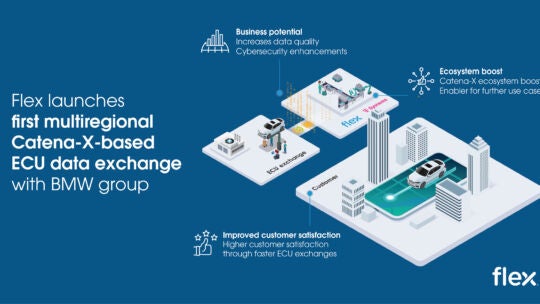
Catena-X enables 宝马集团, with which Flex collaborated, to facilitate the operationalization of Scope 3 emissions reporting using harmonized PCF methodologies to securely share end-to-end, auditable data flows. Implementing the digital infrastructure allows for the fast, seamless, and secure exchange of part-level emissions data throughout the supplier ecosystem, greatly streamlining the PCF tracking and reporting process while maintaining appropriate data security and access controls.

As an early member of the Catena-X ecosystem, Flex is dedicated to advancing standards-based data exchange technology

结果

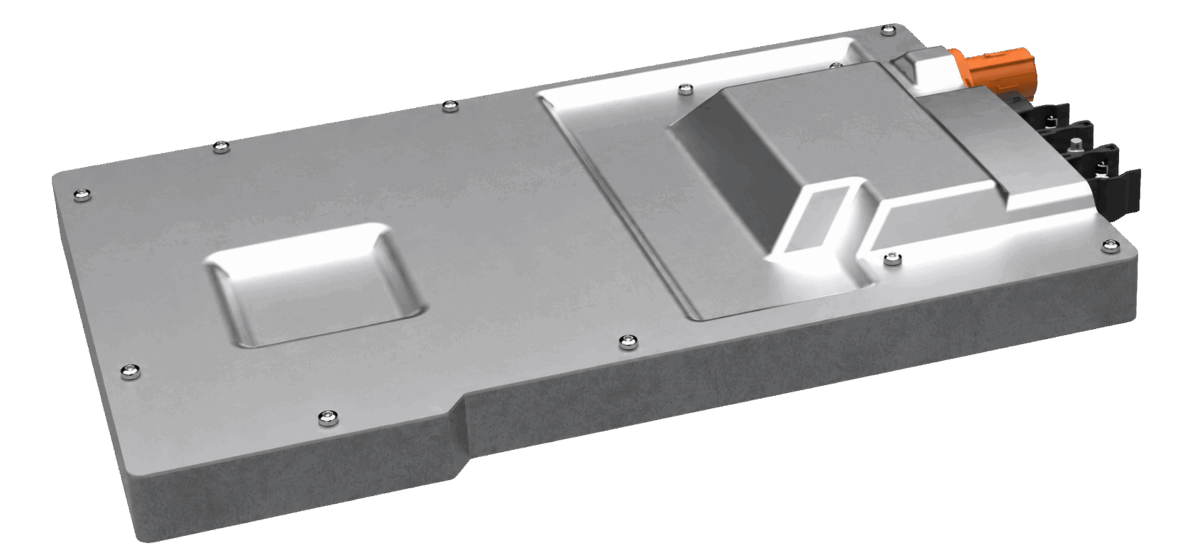
The pilot for tracking PCF data for DC/DC 转换器 achieved Level 2 certification for Flex as defined and in accordance with the Catena-X and TfS PCF Verification and PCF Program Certification Framework (Version 2.0). Its successful completion is expected to enable faster adoption of a scalable, global approach to product-level Scope 3 emissions data exchange and reporting readiness in the U.S. and other regions. The methodology will also help Flex and automakers seamlessly onboard smaller Tier 2 suppliers not already using a data exchange such as Catena-X for a Scope 3 emissions tracking.

As an early member of the Catena-X ecosystem, Flex is dedicated to advancing standards-based data exchange technology throughout the automotive value chainincrease resiliency. Collaborating with global automotive OEMs enhances the ability to provide detailed product information as parts move through the ecosystem using a standardized and modular architecture. Building on this foundation, Flex can help OEMs and component suppliers seeking to address Scope 3 emissions reporting requirements in the U.S. and across regions utilize Catena-X’s digital infrastructure to improve PCF and upstream emissions data readiness, supporting more efficient reporting processes for companies that are in scope of mandatory climate disclosure regimes.

Tackle multiregional Scope 3 emissions reporting with confidence