
博客
权力:世界的新货币
尽管人们对氮化镓 (GaN) 的兴趣日益浓厚,但硅 (Si) 在许多功率模块应用中仍然保持强劲势头,包括支持专门处理高计算量 AI 工作负载的数据中心。.
虽然氮化镓在开关速度和效率方面具有显著优势,但重新设计功率模块的决定应该基于真正的系统级价值,而不仅仅是新技术的吸引力。.
事实上,一些采用硅的功率模块已经实现了比 97% 更高的效率,使其在与氮化镓的竞争中极具竞争力。.
首先,硅是主流技术,具有成熟和生态系统稳定的所有优势:包括多年的优化、设计工具和可靠性数据。.
硅材料拥有数十年的发展历史。这意味着更完善的建模工具、丰富的可靠性数据、更深入的热行为研究以及众多合格的供应商。工程师们信赖硅基元件,并已围绕它们建立了完善的工作流程、测试平台和布局策略。.
另一个关键优势是硅的可靠性已得到验证:硅基功率模块已在任务关键型、高可靠性应用中得到验证。.
硅器件供应商不断提升效率:新一代超结 MOSFET 和沟槽结构在许多应用场景下都能与氮化镓 (GaN) 相媲美。先进的超结设计在许多电压等级(尤其是在 60V 以下的应用)上缩小了与氮化镓的效率差距。.
在散热性能和封装方面:双面散热和先进的封装技术使如今的硅模块更具竞争力。更优的封装技术——包括双面散热、顶部散热和低电感封装——帮助硅基模块更有效地控制热阻。结合功率模块中改进的热界面,硅器件现在可以在相同的尺寸内输出更高的功率。.
硅材料价格更实惠,且与现有系统兼容性更强。对许多应用而言,成本仍然是首要考虑因素。硅材料受益于大规模生产和成熟的晶圆厂,这些因素使得成本可预测,供应链稳定。.
GaN 仍然会带来较高的成本,无论是器件本身,还是将 GaN 添加到系统中所需的重新设计或认证工作。.
尽管硅具有诸多优势,但氮化镓在电力电子领域也发挥着重要作用,尤其是在需要超高开关频率、最小尺寸或极快瞬态响应的情况下。.
例如,5G 中的许多射频功率放大器 电信应用 由于氮化镓晶体管(GaN晶体管)固有的高击穿电压、高功率密度、大带宽和更高效率,5G系统已从硅基LDMOS晶体管转向GaN晶体管。这些5G系统要求所有相关部件都具备高效性,包括电源系统中的DC/DC转换。正因如此,设计和制造可扩展板载电源解决方案(例如Flex电源模块)的公司正在不断提升自身技术,以使硅基模块能够应对5G世界的挑战。.
事实上,在许多人工智能和电信工作负载中,目前的硅基解决方案已经满足或超过系统要求,而无需像迁移到氮化镓那样产生重新设计的开销。.
尽管氮化镓具有诸多优势,但仅仅为了采用它而进行重新设计并不总是对资源的最佳利用,尤其是在硅解决方案仍然高度优化的情况下。.
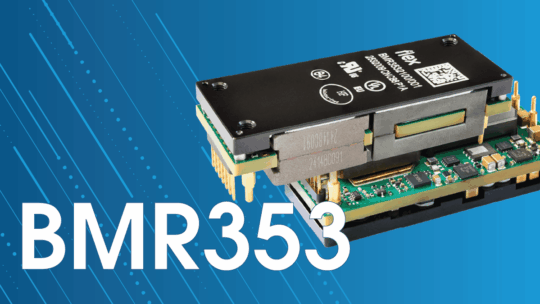
在 Flex 功率模块,我们不断评估新技术在哪些方面能够创造价值。氮化镓 (GaN) 在许多应用中都是一项强大的技术,但在其他一些应用中,我们基于硅的转换器(例如 BMR350 系列)能够提供卓越的性能,其可靠性和效率均优于 97%,而且无需进行成本高昂的系统重新设计或额外的电磁干扰 (EMI) 防护措施。.
我们需要权衡的其他因素包括价格、质量、二次采购以及氮化镓器件是否真的能在产品层面带来显著的性能提升。目前来看,答案是“还不够”。但即便如此,氮化镓的发展速度仍然超过了硅,而Flex功率模块始终密切关注着行业的最新进展。.
无论您的应用是什么,Flex 功率模块的技术团队都可以帮助您评估转向 GaN 是否值得投资。. 联系我们 针对电力解决方案挑战,提供专家级、客观的建议。.