libro electronico
Más allá del PUE: Eficiencia de los centros de datos en la era de la IA
Durante casi dos décadas, la eficiencia del uso de energía (PUE, por sus siglas en inglés) ha sido el estándar de oro de la industria para medir la eficiencia de los centros de datos. Sigue siendo un indicador importante, pero la IA está revelando sus limitaciones. Una instalación puede lograr una excelente puntuación PUE consumiendo cantidades significativas de agua. Puede maximizar la producción informática a la vez que aumenta las emisiones de carbono. Puede mejorar la utilización de los servidores a la vez que genera inestabilidad en la red eléctrica local. Estas contradicciones están impulsando a los operadores a replantearse la eficiencia a medida que aumentan las cargas de trabajo intensivas en GPU, las densidades de racks alcanzan la escala de megavatios y los perfiles de energía se vuelven cada vez más dinámicos.
Más allá del PUE: Repensando la eficiencia de los centros de datos en la era de la IA propone un marco más amplio y holístico para medir la eficiencia que tenga en cuenta el uso de energía, uso del agua, impacto de carbono, productividad computacional, reutilización de energía e interacciones con la red eléctrica. Como parte de ese marco, la eficiencia con conciencia de la red (GAE, por sus siglas en inglés) está impulsando conversaciones sobre el papel que desempeñan los centros de datos en el ecosistema energético más amplio, tanto como consumidores como proveedores interactivos cuyas tecnologías de gestión de energía y almacenamiento de energía de respaldo pueden implementarse para apoyar a la comunidad de usuarios de servicios públicos cuando la infraestructura se ve sometida a presión.
Históricamente, los centros de datos han sido consumidores pasivos de electricidad. Su responsabilidad era sencilla: garantizar un suministro eléctrico fiable y maximizar el tiempo de actividad. Sin embargo, los clústeres de entrenamiento e inferencia de IA pueden generar rápidas fluctuaciones de carga, ya que miles de GPU aumentan o disminuyen simultáneamente sus cargas de trabajo. Estos cambios bruscos de carga plantean nuevos desafíos para las compañías eléctricas responsables de mantener la estabilidad del voltaje, la regulación de la frecuencia y la fiabilidad de la red. La infraestructura de IA no puede simplemente consumir energía cuando la necesita sin tener en cuenta las condiciones de la red.
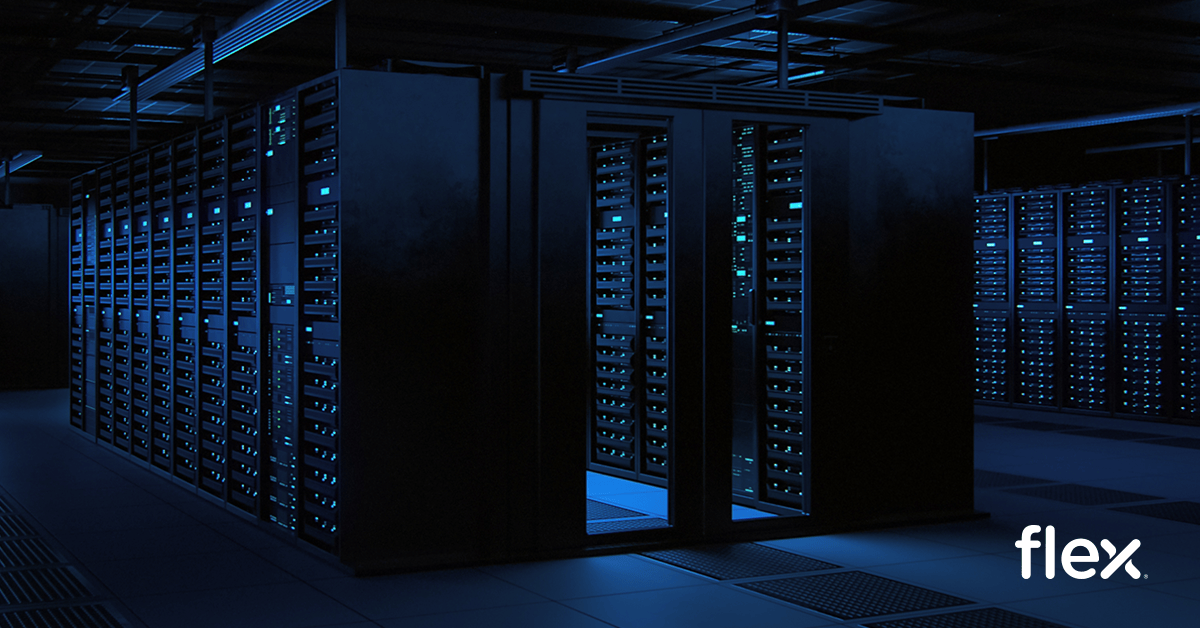
Las empresas de servicios públicos se enfrentan cada vez más a grandes y concentradas cargas generadas por IA que ejercen una presión repentina sobre la infraestructura eléctrica local, especialmente cuando los picos de demanda se producen más rápido de lo previsto en los modelos de planificación tradicionales. Aquí es donde entra en juego GAE.
En lugar de centrarse únicamente en la eficiencia del consumo energético, GAE evalúa la inteligencia con la que un centro de datos interactúa con la red eléctrica. Incorpora flexibilidad de la demanda, disponibilidad de energías renovables, gestión de la carga, contribución simultánea a picos de demanda, estabilidad de voltaje y calidad de la energía para que los centros de datos interactúen con la red, en lugar de depender exclusivamente de ella.
El uso eficiente de la energía no se trata solo de cuántos vatios se utilizan, sino de cuándo se consumen y qué impacto tiene eso en la red eléctrica en general. Un creciente número de investigaciones destaca el potencial de:
El Consejo Estadounidense para una Economía Energéticamente Eficiente (ACEEE) Coincide en que se necesita un enfoque más equilibrado para medir la eficiencia energética, promoviendo la colaboración, la transparencia y estrategias como la flexibilidad de la demanda y la programación consciente de la red a medida que el uso de electricidad por parte de los centros de datos en los EE. UU. se acerca nueve por ciento de la demanda total de la red eléctrica del país para 2030.
Análisis por EPRI Abogan por una mayor eficiencia y flexibilidad de los centros de datos para superar los desafíos asociados con la creciente demanda de energía de la IA, junto con mejores herramientas de modelado y una estrecha coordinación entre los desarrolladores de centros de datos y las empresas de servicios públicos en lo que respecta a las necesidades de energía, los plazos, la flexibilidad y las limitaciones de entrega. Todo ello contribuye a los esfuerzos de GAE.
Investigación publicada en Energía natural y disponible en la Universidad de Cornell arXiv El estudio sostiene que los centros de datos de IA deberían considerarse recursos interactivos con la red eléctrica, capaces de responder dinámicamente a las condiciones de la misma, en lugar de meros consumidores pasivos de electricidad. Los investigadores validaron este concepto mediante una demostración práctica en un clúster de 256 GPU en un entorno de nube hiperescalable comercial, logrando una reducción del 25 % en el consumo de energía durante tres horas en momentos de máxima demanda de la red, manteniendo al mismo tiempo los requisitos de calidad de servicio de la IA. Sus hallazgos sugieren que la orquestación inteligente de cargas de trabajo podría convertirse en una nueva y poderosa herramienta para equilibrar las necesidades de la red eléctrica con la demanda de la IA.
El almacenamiento de energía en los centros de datos se ha considerado tradicionalmente como una medida de seguridad: una fuente de respaldo, con baterías utilizadas para mantener los sistemas en funcionamiento durante los cortes de suministro. La IA está cambiando esta percepción. El almacenamiento y la gestión de energía son enfoques operativos estratégicos que ayudan a las empresas de servicios públicos y a los operadores de centros de datos a mantener la estabilidad de la red, gestionar los picos de demanda, protegerse contra las fluctuaciones de energía y permitir un mayor uso de fuentes de energía renovables.
Orquestar la pila de almacenamiento de energía es la sistema de gestión de energía (Servicios Médicos de Emergencia). Un sistema de gestión de energía integrado garantiza que el sistema general esté conectado, coordinado y sea coherente, maximizando la fiabilidad mediante la identificación y el análisis de los problemas de energía antes de que se vuelvan críticos. Se complementa con un control de supervisión y adquisición de datos (SCADA) sistema que supervisa y controla la red de distribución eléctrica dentro de un edificio o campus para minimizar las interrupciones operativas y optimizar el uso de la energía.
BESS
(de minutos a horas)
Unión Postal Universal
(segundos a minutos)
IMPUESTO
(milisegundos)
BBU
(milisegundos a segundos a nivel de componente)
La era de la IA está transformando la concepción de la eficiencia por parte de los operadores de centros de datos. Durante años, el objetivo fue reducir el consumo energético de las instalaciones y mejorar el PUE (Índice de Eficiencia Energética). Si bien esto sigue siendo relevante, ya no es suficiente por sí solo. A medida que las cargas de trabajo de la IA aumentan en escala y complejidad, los operadores también deben considerar cómo interactúan las instalaciones con el ecosistema energético en general. Calidad de la energía, La flexibilidad de la demanda, la integración de fuentes renovables, la estabilidad de la red y la resiliencia energética —todos ellos intrínsecos a la GAE— son tan importantes como los cálculos tradicionales de consumo energético.
La eficiencia es una disciplina sistémica, y GAE forma parte de su filosofía operativa. La próxima generación de centros de datos no solo consumirá energía de forma más eficiente, sino que contribuirá activamente a un ecosistema energético más adaptable, resiliente y optimizado, actuando como socios de la red, no solo como usuarios.