Noticias
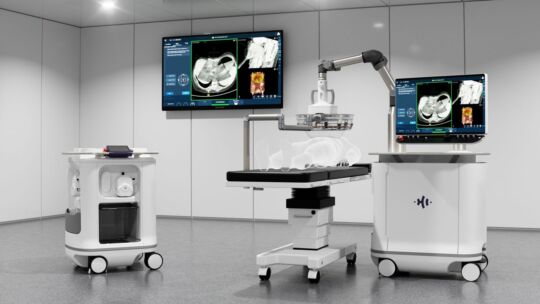
Del concepto a la comercialización: Flex e HistoSonics obtienen tres premios IDEA de primer nivel por su innovador sistema de tratamiento de tumores hepáticos.
For more than 30 years, Flex has partnered with a leading global diagnostics manufacturer to produce high-volume in vitro diagnostic (IVD) consumables. What began as a single-product manufacturing engagement has evolved into a global relationship encompassing high-volume production, new product introduction (NPI), pilot line development, and IVD manufacturing support across multiple Flex locations worldwide. When a key material used in one of the customer’s consumable products required modification due to supplier-driven changes, Flex was tasked with assessing the impact and maintaining uninterrupted production.
The customer’s material supplier announced that a critical additive used in a resin formulation would be discontinued, forcing a transition to a replacement material. While the change initially appeared straightforward, the reality was far more complex.
Changes in material composition can dramatically impact injection molding performance, affecting variables such as mold temperature, melt temperature, injection pressure, back pressure, injection speed, and cooling time.
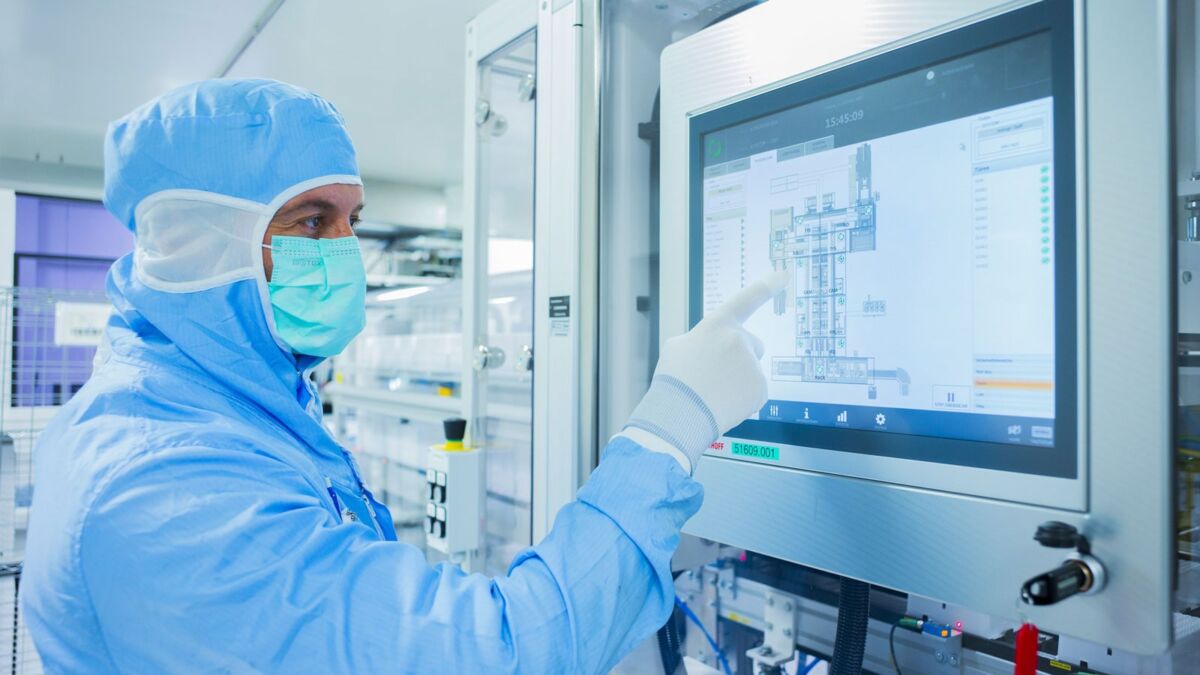
The new material created a complex process challenge. Adjusting one molding parameter often negatively affects another, making it difficult to define a clear path forward. After extensive trials, it became clear that the material’s behavior strongly influenced part quality and the overall process window.
Resolving this required a systematic, statistically-driven evaluation of process data and material properties to understand the interaction between part quality and molding parameters.
The customer needed to implement the material transition within one year. Failure to do so would have put production lines at risk of shutdown. Traditional approaches suggested modifying tooling to accommodate the new material, but those changes were projected to cost approximately $300,000 per production line and could have delayed implementation by as much as 18 months.
Rather than pursuing expensive tooling modifications, Flex took a fundamentally different approach: identify manufacturing parameters that would allow the new material to perform successfully without changing existing molds or equipment.
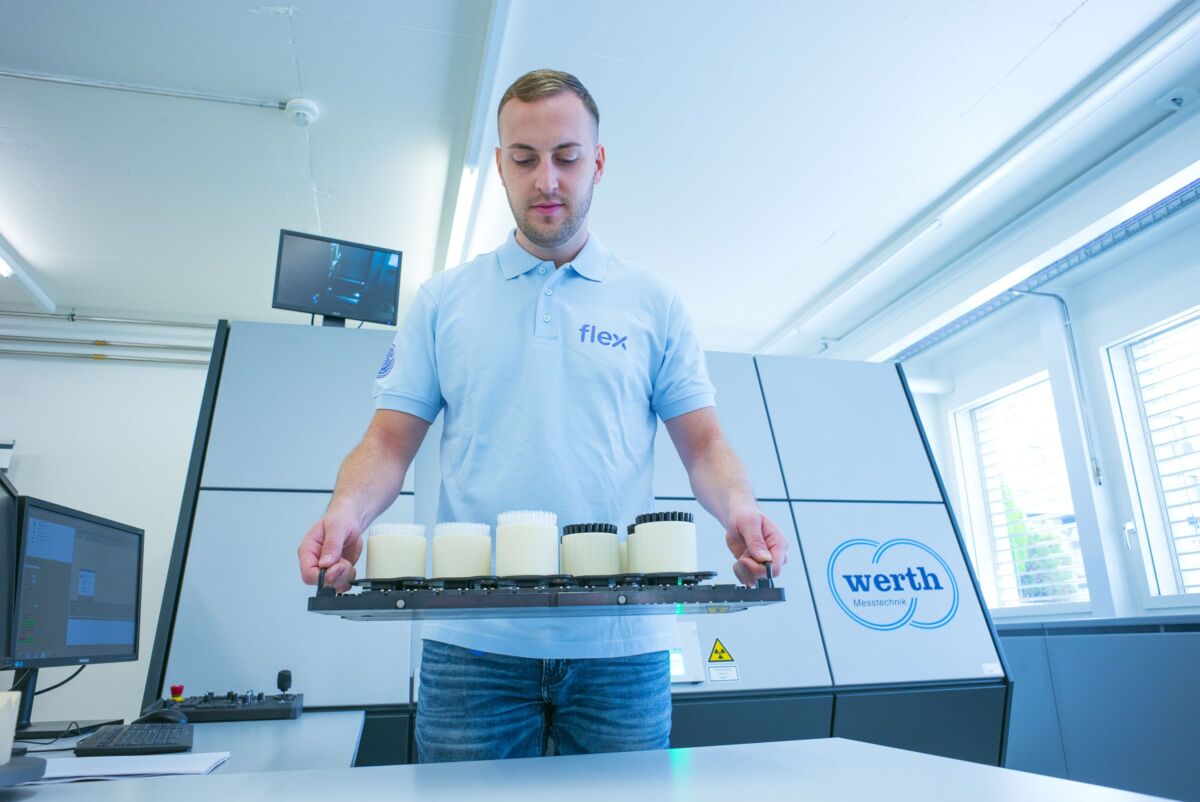
Working through the joint technical collaboration established with the customer, Flex assembled a team of plastics processing experts and process engineers with decades of injection molding experience. The team first sought to isolate the true source of the challenge by systematically eliminating all potential variables except the material change itself.
Flex examined:
The team developed viscosity curves to better understand the new material’s behavior and created a structured testing methodology to identify which process variables had the greatest influence on product performance.
The breakthrough came through Flex’s ability to conduct a large-scale, statistically relevant Design of Experiments (DOE) study within its center of excellence. Unlike more traditional troubleshooting methods, the DOE approach enabled engineers to simultaneously evaluate interactions among multiple process variables and identify the optimal parameter set for reliable production.
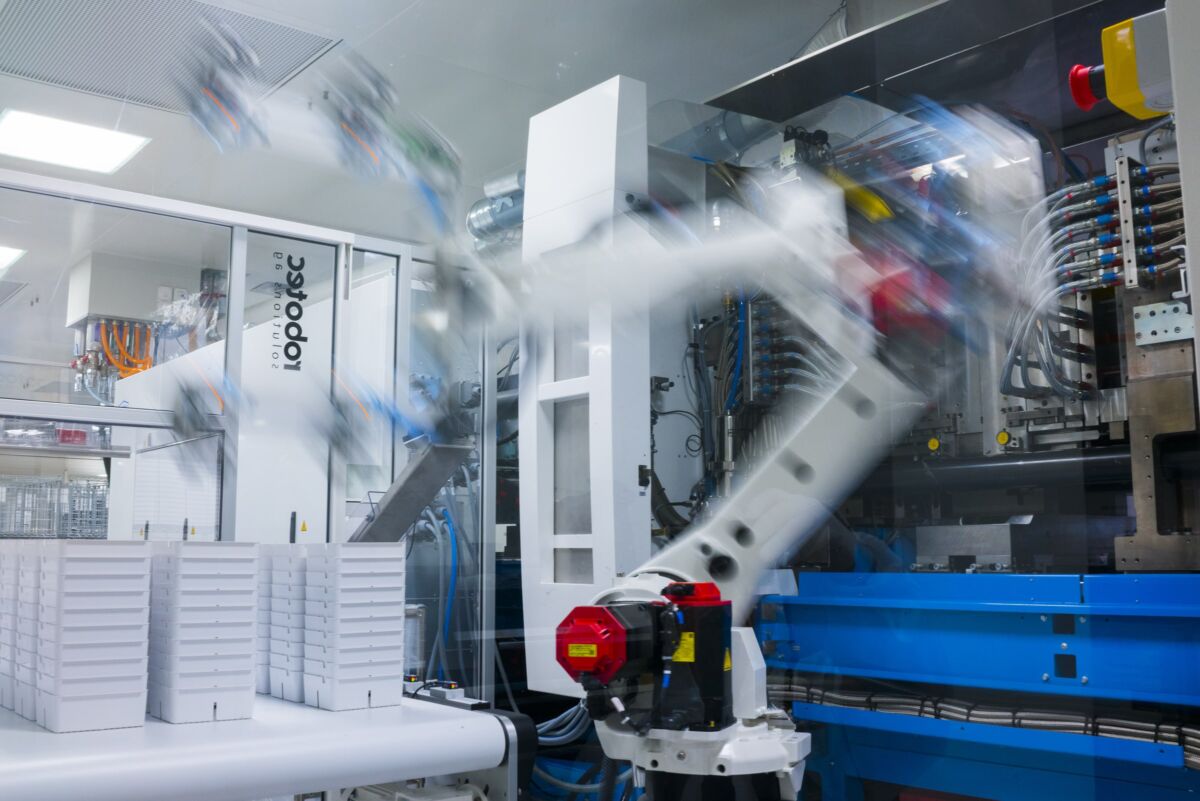
This rigorous approach enabled Flex to identify new molding parameters that met product specifications while maintaining process reliability, all without modifications to existing equipment.
By successfully optimizing the manufacturing process around the new material, Flex helped the customer avoid significant operational and financial risk. The solution delivered benefits across cost, production continuity, and long-term sustainability.
Adoption of the new material reduced ongoing material costs while maintaining performance requirements.
By identifying an optimized process window, Flex eliminated the need for tooling modifications across 18 production lines.
The validated process transition ensured uninterrupted manufacturing and supply continuity.
Existing molds and production equipment remained unchanged, reducing complexity and accelerating implementation.
Avoiding tooling changes also minimized the need for downstream documentation updates and potential impacts on customer systems.
The solution prevented potential shortages and helped preserve product availability for end users.
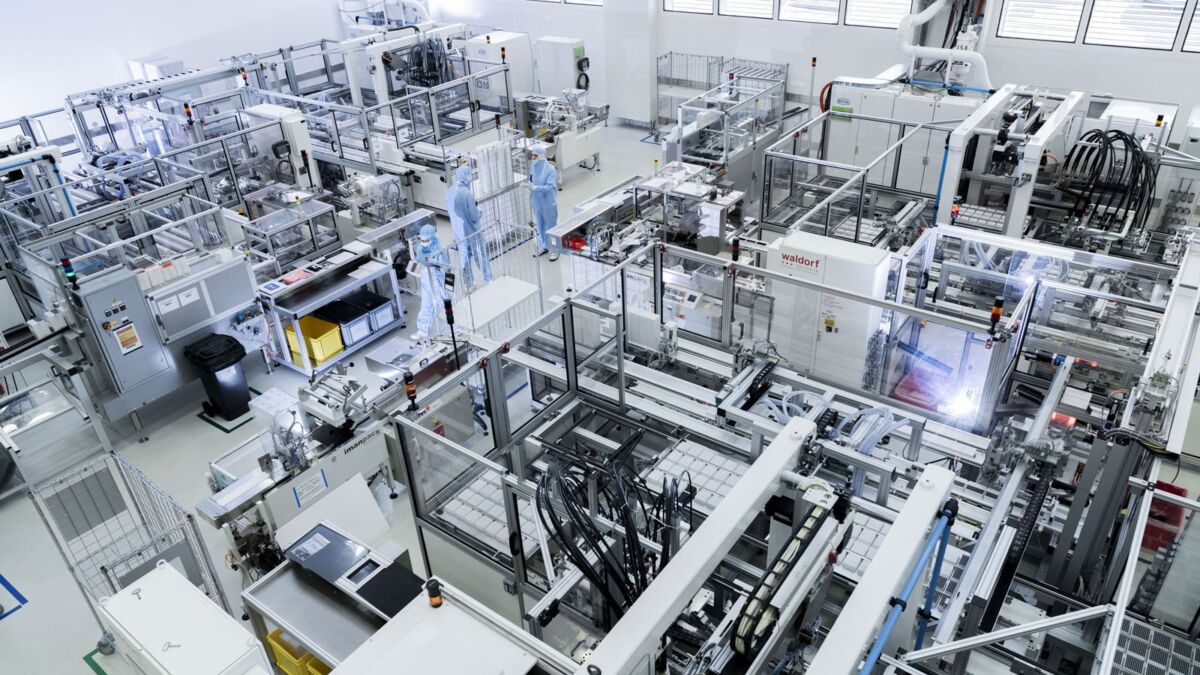
Many manufacturers can identify problems. Fewer can systematically solve them through deep process expertise and statistically-driven engineering. In this case, Flex combined decades of plastics processing knowledge with advanced DOE capabilities to solve a highly complex manufacturing challenge under an aggressive timeline.
The same technical capabilities are now being leveraged to support other IVD manufacturers facing similar manufacturing and material transition challenges. Flex’s ability to perform large-scale, statistically relevant process studies gives customers a powerful tool for reducing risk, improving manufacturability, and accelerating problem resolution.