libro electronico
Soluciones modulares prefabricadas para centros de datos
La carrera armamentística de la IA ya no está limitada por los modelos. Ahora está limitada por la infraestructura, la capacidad energética disponible, los permisos y la construcción. En los proveedores de servicios en la nube a gran escala, los centros de datos y las empresas, el indicador clave se ha desplazado hacia la "velocidad de implementación": la rapidez con la que se puede desplegar la capacidad de cómputo para generar resultados de IA y valor empresarial.
Este cambio pone de manifiesto un problema fundamental: los modelos tradicionales de entrega de centros de datos ya no son viables. Cuando los ciclos de demanda se miden en trimestres, no en años, un plazo de construcción de 24 a 36 meses se convierte en una desventaja estratégica. La brecha entre la IA a gran escala y el despliegue de centros de datos tradicionales se está ampliando y obliga a nuestra industria a replantearse cómo diseñamos, construimos, desplegamos y escalamos.
Desde nuestra perspectiva Trabajando en sistemas de energía, refrigeración e infraestructura integrada., El camino a seguir está claro. La próxima generación de infraestructura de IA se definirá por tres cosas:
La velocidad no se consigue en la construcción. Se consigue con un buen diseño, una gestión eficaz de la cadena de suministro y la estandarización en todas las plataformas.
Las cargas de trabajo de IA superan las suposiciones tradicionales. La densidad de racks es mayor, las cargas térmicas son más dinámicas y los requisitos de energía están más concentrados. Intentar resolver estas variables en una etapa avanzada del proceso conlleva retrasos, rediseños y sobrecostos.
Los despliegues más efectivos comienzan con Colaboración profunda y directa entre el cliente y el integrador de soluciones de PMDC..Este enfoque de ingeniería conjunta permite una alineación temprana en cuanto a los requisitos de carga de trabajo, las estrategias de energía y refrigeración, y los objetivos de disponibilidad, lo que posibilita la creación de arquitecturas estandarizadas que se pueden implementar rápidamente de manera repetible.
Más importante aún, permite que la ingeniería, la fabricación y la preparación del sitio se realicen en paralelo. Este cambio por sí solo puede reducir los plazos de entrega a menos de la mitad, a la vez que ahorra miles de horas de trabajo fuera de la obra.
Esta transformación está impulsada por limitaciones del mundo real.
Los costos de los terrenos siguen empujando el desarrollo hacia mercados secundarios, donde Los precios pueden bajar mucho más El $2, con precios superiores a un millón de dólares por acre, se paga en las principales áreas metropolitanas y en ubicaciones con alta concentración de centros de datos y fácil acceso a infraestructura de energía y redes. Sin embargo, la principal preocupación no es el terreno, sino la capacidad de energía disponible. Los plazos de interconexión con las compañías eléctricas son ahora uno de los factores limitantes más importantes para el despliegue.
Al mismo tiempo, la disponibilidad de agua se está convirtiendo en un factor crítico para las estrategias de refrigeración, y los requisitos normativos añaden complejidad a nivel federal, estatal y local. Si a esto le sumamos la escasez de mano de obra cualificada en las obras de construcción, el panorama se presenta desafiante en la mayoría de los mercados.
Incluso los proyectos bien financiados se están retrasando no por falta de capital, sino por la preparación del terreno, la escasez de mano de obra y la disponibilidad de recursos.
Las cargas de trabajo de la IA no son incrementales; son exponenciales.
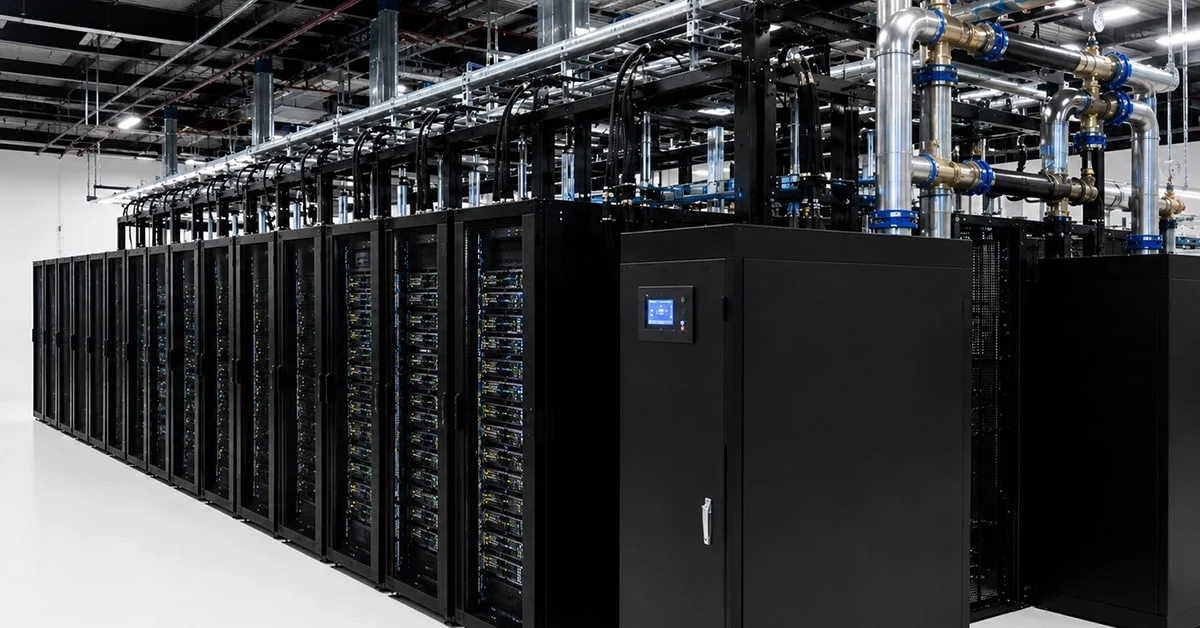
Actualmente, observamos implementaciones que requieren cientos de megavatios, con una expansión hacia campus de varios gigavatios y miles de racks de alta densidad con refrigeración líquida. Este es un problema de diseño fundamentalmente diferente al de los entornos tradicionales.
Los hiperescaladores ya se están adaptando. Están acelerando las inversiones en infraestructura y recurriendo cada vez más a estrategias modulares prefabricadas para comprimir los plazos de implementación.
A esta escala, las construcciones a medida no pueden seguir el ritmo. La industria está cambiando hacia sistemas repetibles fabricados en fábrica que se pueden desplegar y escalar con precisión.
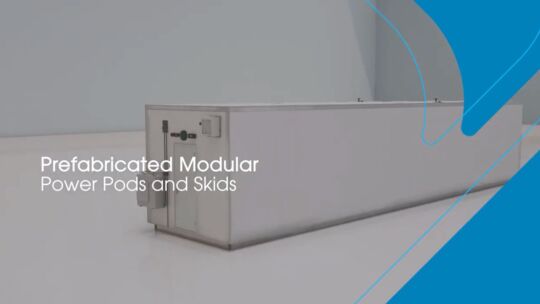
Soluciones PMDC Cambiar radicalmente el modelo de entrega trasladando la complejidad fuera de las instalaciones.
En lugar de ensamblar sistemas sobre el terreno, los módulos integrados que combinan entornos informáticos, distribución eléctrica y refrigeración se construyen y prueban en entornos de fábrica controlados, para luego ser entregados para su rápida implementación.
El enfoque modular ofrece una mejora significativa en velocidad, seguridad y adquisición. Los plazos que antes se extendían a tres años ahora se pueden reducir a Tan solo de 22 a 32 semanas para la activación inicial de la carga de trabajo de IA., dependiendo de la complejidad y los plazos de entrega de la cadena de suministro.
Igualmente importante, la prefabricación aporta uniformidad. Los diseños estandarizados mejoran la calidad, a la vez que permiten un rendimiento predecible y una escalabilidad global.
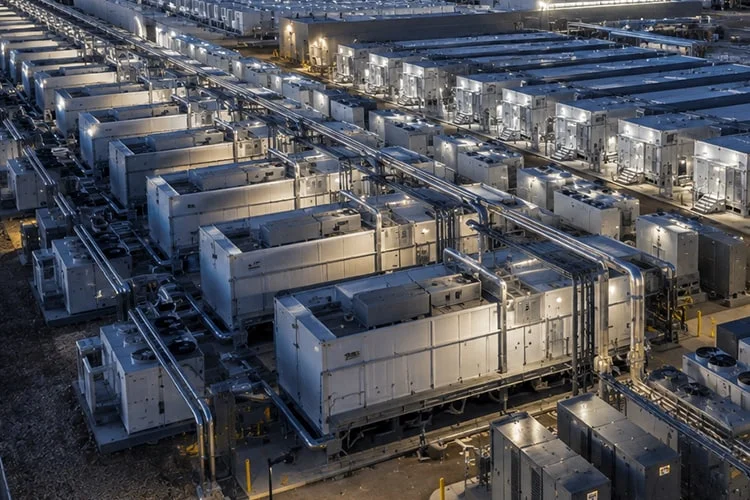
A medida que el mercado evoluciona, surge un factor diferenciador clave: la capacidad de ofrecer un sistema integrado y completamente probado. Trasladar la puesta en marcha del campo a la fábrica puede reducir significativamente los riesgos de implementación al validar los sistemas integrados (alimentación, refrigeración y controles) en un entorno controlado de fábrica antes de su llegada al sitio, minimizando así los defectos y las repeticiones de trabajo. Además, puede acelerar la puesta en marcha al acortar los plazos generales de puesta en marcha en el sitio y mejorar la calidad inicial, lo que permite una entrega de capacidad más rápida y predecible.
La infraestructura de IA requiere una estrecha coordinación entre la ingeniería mecánica, eléctrica, térmica y de control, junto con capacidades de fabricación que abarcan refrigeración líquida a nivel de chip a través de infraestructura de subestaciones y de media tensión.
Organizaciones que combinan estas capacidades junto con Servicios globales de escala de fabricación y ciclo de vida están mejor posicionados para ejecutar. Reducir la fragmentación, minimizar el riesgo de integración y crear un camino más predecible. desde el diseño hasta la implementación y la puesta en marcha.
Este nivel de integración se está convirtiendo rápidamente en algo esencial para la escalabilidad.

La refrigeración ya no es un sistema de apoyo. Es infraestructura fundamental.
Refrigeración líquida Actualmente, su uso es estándar para cargas de trabajo de IA de alta densidad, lo que introduce nuevas dependencias en la gestión del flujo, el equilibrio de la presión y la estabilidad térmica. Esto aumenta la importancia de los sistemas de control.
Las plataformas de control modernas deben coordinar continuamente la carga de TI, el suministro de energía y la respuesta de refrigeración en tiempo real. Un fallo en esta capa puede afectar a todo el sistema. Los ingenieros de diseño de infraestructuras críticas deben reducir y aislar activamente el alcance de cualquier fallo sistemático, gestionando al mismo tiempo de forma eficiente las diferentes densidades de racks (red, almacenamiento y computación) dentro del centro de datos.
El diseño de controles para la resiliencia y la redundancia es esencial para alcanzar objetivos de disponibilidad que oscilen entre el 99,9 % y el 99,995 %.
A hiperescala, la capacidad de mantenimiento debe diseñarse desde el principio.
Las infraestructuras críticas deben permitir el funcionamiento continuo durante el mantenimiento, las actualizaciones tecnológicas y las mejoras, lo que requiere diseños que posibiliten el mantenimiento simultáneo y limiten el impacto de los fallos mediante la segmentación modular.
El diseño físico también influye en cómo se despliegan y reemplazan los bastidores, cómo se accede a los sistemas de barras conductoras y cómo se mantiene la infraestructura de refrigeración a gran escala.
Al mismo tiempo, los ciclos de desarrollo del hardware de IA se están acelerando. La infraestructura debe diseñarse para adaptarse, con enfoques modulares que permitan una expansión gradual y actualizaciones específicas sin grandes interrupciones.
La prefabricación permite lo que las construcciones tradicionales no pueden: una verdadera ejecución en paralelo.
Mientras los módulos se fabrican en otro lugar, los trabajos en el sitio avanzan. La obtención de permisos se realiza en paralelo con la producción, especialmente cuando los diseños están prediseñados para cumplir con estándares como UL y NEC, y cuando las autoridades competentes (AHJ) participan desde el principio del proceso.
Este Transición de la ejecución secuencial a la ejecución paralela es lo que, en última instancia, hace posible alcanzar la velocidad de tokenización.
La inteligencia artificial está transformando el panorama de las infraestructuras a un ritmo sin precedentes.
Las organizaciones que liderarán el sector serán aquellas que replanteen su enfoque de principio a fin, desde el diseño y la colaboración hasta la fabricación, el despliegue y la operación. Las soluciones de PMDC no solo ofrecen una forma más rápida de construir; representan un modelo fundamentalmente diferente para la entrega de infraestructura a gran escala.
En un mundo donde prima la rapidez en la obtención de tokens, desplegar capacidad en cuestión de meses ya no supone una ventaja competitiva. Es la nueva norma.