

libro electronico
Más allá del PUE: Eficiencia de los centros de datos en la era de la IA
La adopción de la inteligencia artificial (IA) se está acelerando en todos los sectores. Según McKinsey, Más del 75 % de las organizaciones utilizan IA en al menos una función empresarial, y podría decirse que aún estamos en las primeras etapas. Detrás de este auge se esconde un desafío urgente: cómo alimentar y refrigerar de forma eficiente y sostenible la infraestructura que lo hace posible. Como se suele decir, no se puede mejorar lo que no se puede medir.
Durante casi dos décadas, la eficiencia energética (PUE, por sus siglas en inglés) ha sido el estándar de oro para medir la eficiencia de los centros de datos. Compara el consumo total de energía de las instalaciones con el consumido por los equipos de TI. En términos sencillos, un PUE más bajo indica que se destina más energía al procesamiento que a gastos generales como la iluminación o la refrigeración. Pero la IA lo cambia todo.
El PUE se diseñó para una época diferente, caracterizada por cargas de trabajo relativamente predecibles, impulsadas por la CPU y con densidades de potencia modestas. Las cargas de trabajo de IA se comportan de forma muy distinta. Los clústeres de GPU consumen energía en ráfagas, la densidad de racks alcanza el rango de los megavatios y las exigencias térmicas son mucho mayores. A medida que aumenta la demanda de IA, la escasez de energía y el creciente consumo de agua impulsan la necesidad de métricas de evaluación más completas y detalladas.
Hoy centros de datos Son complejos e interconectados, con mejoras en un área que impactan la eficiencia en otra. En este contexto, el PUE puede ser útil para orientar el análisis, pero también puede resultar engañoso si se considera de forma aislada. Por ejemplo, el PUE no mide la eficiencia real del uso de los recursos informáticos. Ignora el consumo de agua, las emisiones de carbono y la reutilización de energía. Puede llevar a conclusiones erróneas en escenarios donde la infraestructura o la utilización de los recursos cambian.
En resumen, el PUE por sí solo no aborda las múltiples facetas de la eficiencia que los operadores deben considerar en su búsqueda por ofrecer más tokens por dólar de manera equilibrada y sostenible. Esta es la idea central detrás del libro electrónico. Más allá del PUE: Eficiencia de los centros de datos en la era de la IA, que introduce un marco más integral para evaluar y mejorar el rendimiento de los centros de datos.
A medida que las cargas de trabajo de IA se comprenden mejor y se generalizan, los operadores se están alejando de las suposiciones teóricas y diseñando para el comportamiento del mundo real. Históricamente, las decisiones de infraestructura se han basado en la potencia nominal, o el máximo que un sistema puede soportar. podría (aunque rara vez lo hacen). Pero las cargas de trabajo de IA son dinámicas y el uso no siempre coincide con la capacidad. Esta discrepancia puede distorsionar las métricas de eficiencia y dar lugar a sistemas sobredimensionados o suboptimizados.
Un enfoque más práctico consiste en considerar cómo se comportan realmente las cargas de trabajo: cuándo se producen picos, cómo se escalan y dónde surgen las ineficiencias con el tiempo. Esta perspectiva se extiende a las estrategias de refrigeración, la distribución de energía e incluso la ubicación y configuración de las instalaciones. Además, refuerza la importancia de la flexibilidad, ya que es improbable que el ritmo de cambio en la IA disminuya en un futuro próximo.
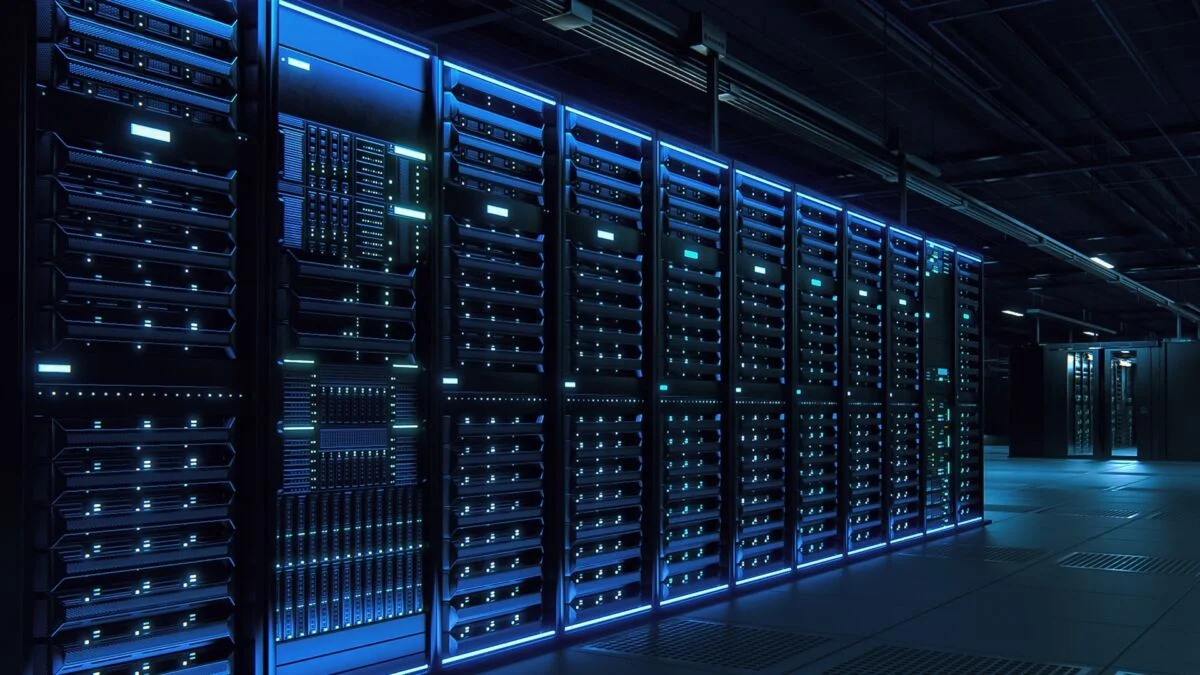
En conjunto, esto crea una imagen más realista y multifacética del desempeño que se ajusta mejor a las exigencias impuestas. Infraestructura de centros de datos de la era de la IA.
La eficiencia de un centro de datos no es un objetivo único, sino un ejercicio de equilibrio. Las métricas complementarias amplían la información que nos proporciona el PUE e ilustran cómo el enfoque en una afecta a las demás. Gestionar eficazmente las compensaciones requiere una perspectiva sistémica, con especial atención a la resiliencia y el rendimiento a largo plazo en múltiples dimensiones, entre las que se incluyen:

La eficiencia en el uso del agua (WUE, por sus siglas en inglés) pone de relieve las compensaciones entre el consumo de energía y agua en las estrategias de refrigeración. A medida que aumentan las cargas térmicas, las opciones de refrigeración tienen un impacto directo en el consumo de recursos y la escalabilidad. Dado que la disponibilidad de agua se está convirtiendo rápidamente, junto con el acceso a la energía, en una limitación crítica para la capacidad de los centros de datos, la WUE es un complemento necesario para la PUE (Eficiencia Total de Uso).

La eficacia de la reutilización energética (ERE, por sus siglas en inglés) se centra en el destino del calor generado por los centros de datos. Promueve su captura y reutilización dentro de las instalaciones, el campus o la comunidad, en lugar de tratarlo como un residuo liberado a la atmósfera. Los centros de datos de IA producen calor de mayor calidad y a mayor escala que los centros de datos tradicionales, lo que hace que la reutilización energética sea más viable.

La eficiencia energética computacional (CPE) centra el debate en la productividad y los resultados empresariales. En lugar de preguntarse cómo se suministra la energía, se pregunta cuánta capacidad de procesamiento útil se genera por unidad de energía (es decir, tokens por vatio). Sin embargo, la CPE a veces puede entrar en conflicto con la PUE, lo que subraya la necesidad de equilibrar múltiples objetivos y métricas.

La eficacia del uso del carbono (CUE, por sus siglas en inglés) pone de relieve el impacto ambiental, reconociendo que no todas las fuentes de energía son iguales. Dos instalaciones con puntuaciones PUE similares pueden tener huellas de carbono muy diferentes dependiendo de cómo se genere esa energía, por ejemplo, a partir de fuentes renovables o combustibles fósiles.
La eficiencia con conciencia de la red (GAE, por sus siglas en inglés) es un conjunto de cálculos emergentes que consideran cómo interactúan los centros de datos con la red eléctrica: cuándo consumen energía, cómo responden a las fluctuaciones de la demanda y cómo contribuyen a la estabilidad general del sistema. La redistribución de las cargas de trabajo, el uso de energía almacenada y la participación en programas de respuesta a la demanda desempeñan un papel importante en este proceso.
Los operadores de centros de datos son conscientes de las crecientes limitaciones al crecimiento, pero siguen inmersos en una carrera donde la velocidad de implementación suele primar sobre todo lo demás, incluida la eficiencia. Sin embargo, no tiene por qué ser una disyuntiva. Construir sistemas de infraestructura eficientes, adaptables y alineados con las realidades de la computación de IA puede convertir la eficiencia en una ventaja competitiva, no en una limitación.
Adoptar un marco de medición de la eficiencia más amplio y tratarlo como una ecuación sistémica con múltiples interdependencias permite a los operadores escalar de forma sostenible, a la vez que reducen los costos operativos mediante mejoras en la utilización y el rendimiento. Además, les permite adaptarse con mayor rapidez a los requisitos regulatorios cambiantes y ayuda a garantizar que sus ambiciones no pasen por alto las preocupaciones ambientales y comunitarias.
El PUE sigue siendo un indicador útil, pero ya no es suficiente por sí solo. Su uso excesivo puede distorsionar la toma de decisiones y enmascarar ineficiencias en otros ámbitos. Un marco multifacético e interconectado que considere el agua, el carbono, la computación, la reutilización de energía y la interacción con la red es esencial para afrontar la siguiente fase de crecimiento. Más información en Más allá del PUE: Eficiencia de los centros de datos en la era de la IA.